Six Reasons the Gasket You Ordered Online Does Not Fit
Right model number, wrong gasket. The six fitment traps behind most returned commercial door seals, including mid-production profile changes and retro-fitted doors.
You ordered the gasket by model number, the box matched the sticker inside the door, and the new gasket still won't seat. That's not you measuring wrong. A replacement refrigerator gasket does not fit for one of six specific, avoidable reasons, and most of them start with the manufacturer or the listing, not the buyer.
Some of these traps repeat kitchen to kitchen: the same model splitting into two different parts mid production, a listing that measured the wrong surface, a channel too damaged to hold anything. Knowing which one hit your order tells you whether to reorder, return, or ask someone to check the fit before it ships again.
Key takeaways
Manufacturers change gasket profiles mid production under the same model number.
Door dimensions and gasket dimensions are measured differently and are not interchangeable.
Different suppliers use different measuring conventions on the same listing page.
A prior repair may have already put a different profile in the channel.
A bent, cracked, or rusted channel can reject a correctly sized gasket.
Universal gaskets fit a range of doors, not your specific door.
The model changed mid-run and your number is ambiguous
The single biggest cause of a wrong-size delivery is that the same model number covered two different gasket profiles at different points in the production run. A unit built in 2003 and one built in 2007 can carry the identical model number and stickered part number while needing two different gaskets.
This is documented, not a guess. According to Parts Town's True gasket replacement documentation (retrieved 2026), the True T-49F reach-in split into two distinct gasket profiles around 2005, and the True GDM-35 merchandiser split similarly around 2009. Order by model number alone on either unit and you have roughly even odds of getting the wrong half.
The Gasketeers cross-checks build year and serial data against our gasket profiles before quoting a replacement, which is the step most online listings skip entirely.
Need a gasket replaced?
Call us or send your unit's model number. Free quotes across Boulder County, usually same week.
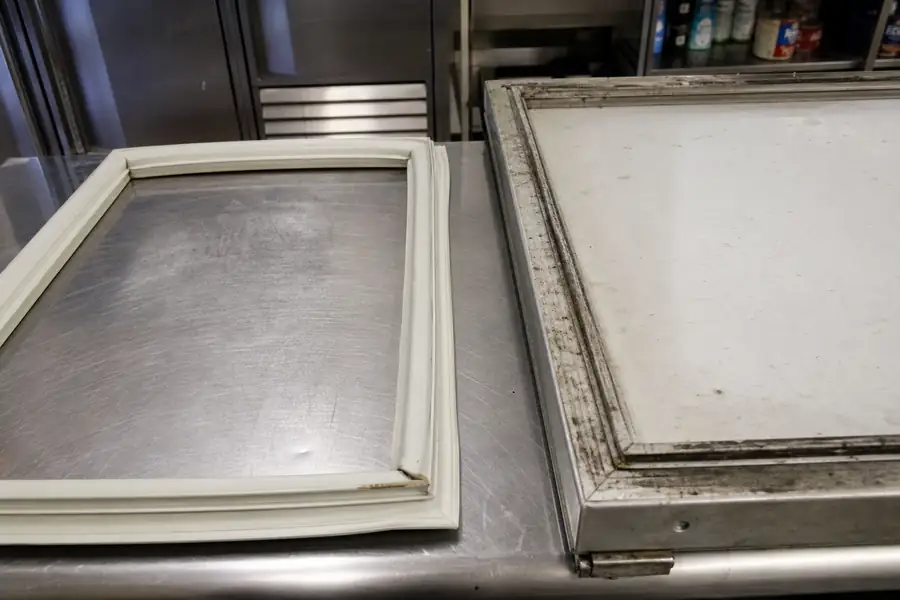
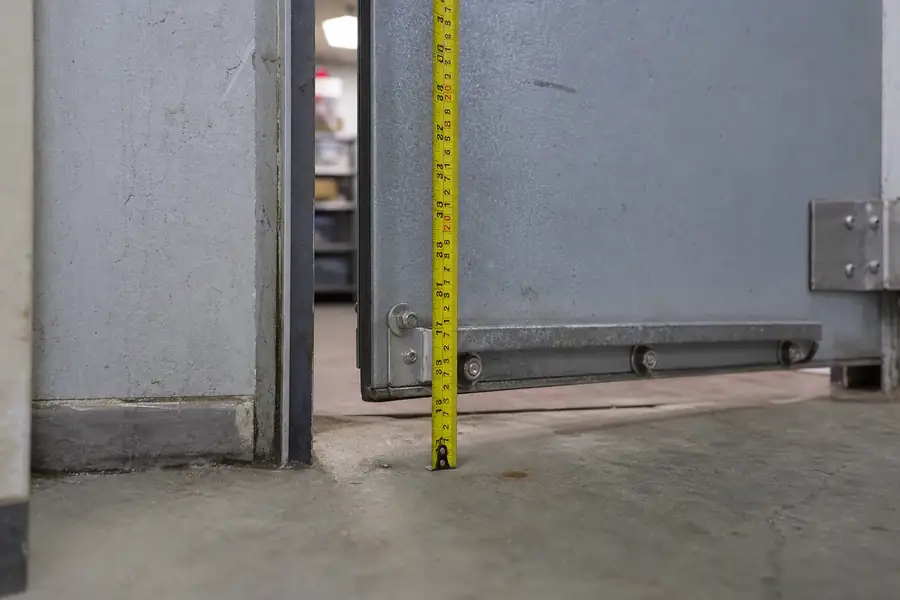
A gasket ordered from the door's outer dimensions almost always arrives too small, because the door itself and the gasket that seals it are measured on different planes. The channel, the groove that runs around the door frame and holds the gasket's mounting flange, sits inside the door's outer edge, so a tape measure run around the visible door frame comes up short every time.
If your new part won't seat and feels close but tight, that mismatch is usually why the gasket won't fit the groove no matter how hard you press it in.
The two suppliers meant different conventions
Two listings can both say 5/8 inch and still describe different gaskets, because sellers do not all measure the same feature. One site lists the flange-to-flange width, another lists only the visible sealing face, and a third rounds to the nearest common size rather than the exact one.
This is how a kitchen manager ends up with two boxes from two suppliers, both labeled correctly, that fit the same door two different ways. Neither seller is lying. They are answering a different question with the same number.
Someone has already retro-fitted a different profile
If an earlier repair swapped in a substitute gasket, the channel may no longer match the profile the manufacturer's part number assumes. A tech in a hurry, or a previous owner working from a parts catalog rather than a fitting, can leave a profile in place that was never the factory original.
Order the correct replacement for the model number stamped on the unit, and it can fight the profile already seated in the channel, even though the paperwork says it should be right.
The channel is damaged or distorted
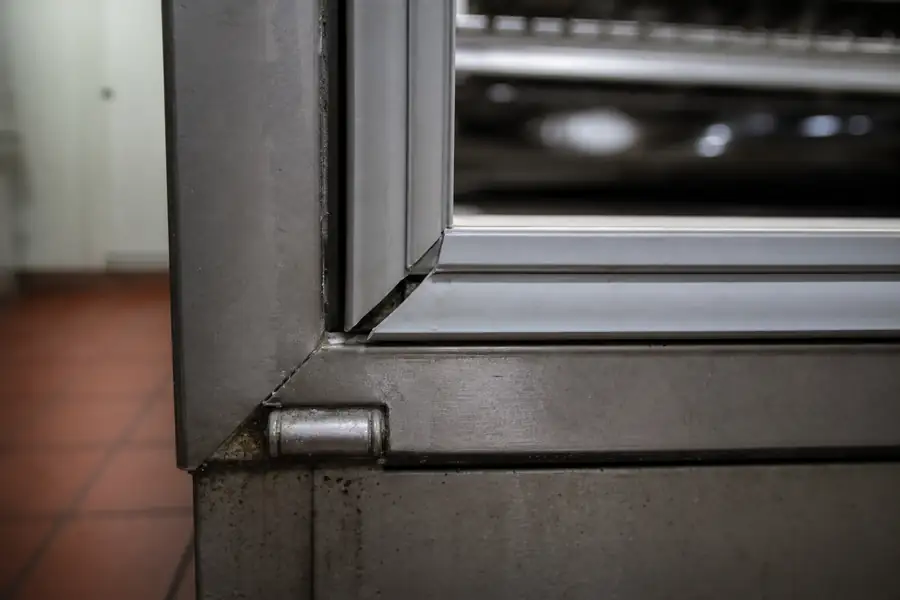
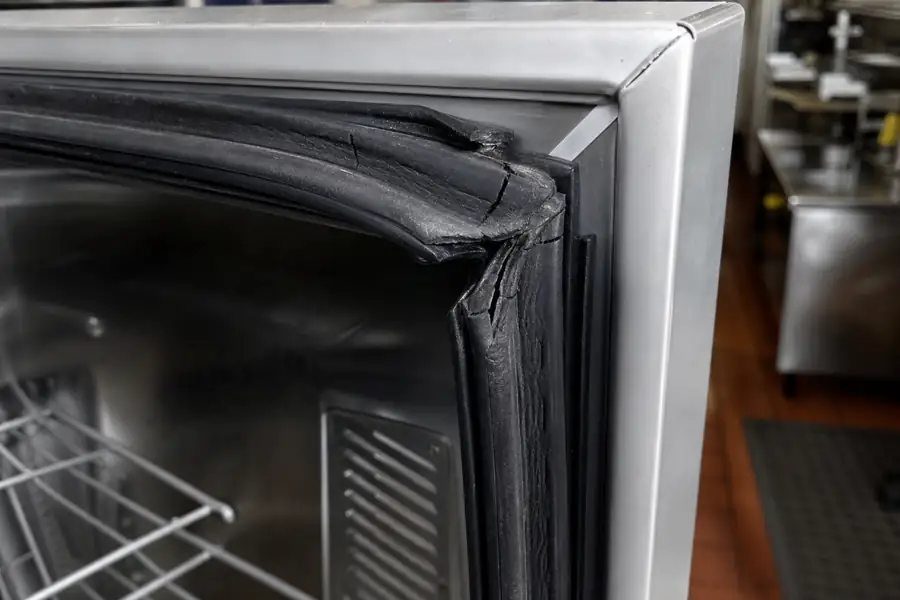
A bent, cracked, or rusted channel will reject even a perfectly sized gasket, because the gasket needs an intact groove to snap or screw into. Frost cycling, a slammed door, or years of condensation can warp the metal edge enough that nothing seats flush anymore.
This is also where gasket problems get confused with door hardware problems. A door that won't close square is just as often a bad hinge, a weak closer, or a worn sweep as it is the gasket itself, and no gasket, correctly sized or not, will seal a door that no longer hangs straight.
Universal means universal to somebody else's door
A universal refrigerator door gasket is cut oversized and designed to be trimmed down, not engineered to drop into one specific channel. It can work as a stopgap on a straightforward reach-in, but it rarely holds a tight seal on prep tables, drawers, or glass display doors with tighter tolerances.
Universal parts trade an exact fit for wide compatibility. That trade works fine until the door in question needs the exact fit.
What to do when your replacement refrigerator gasket does not fit
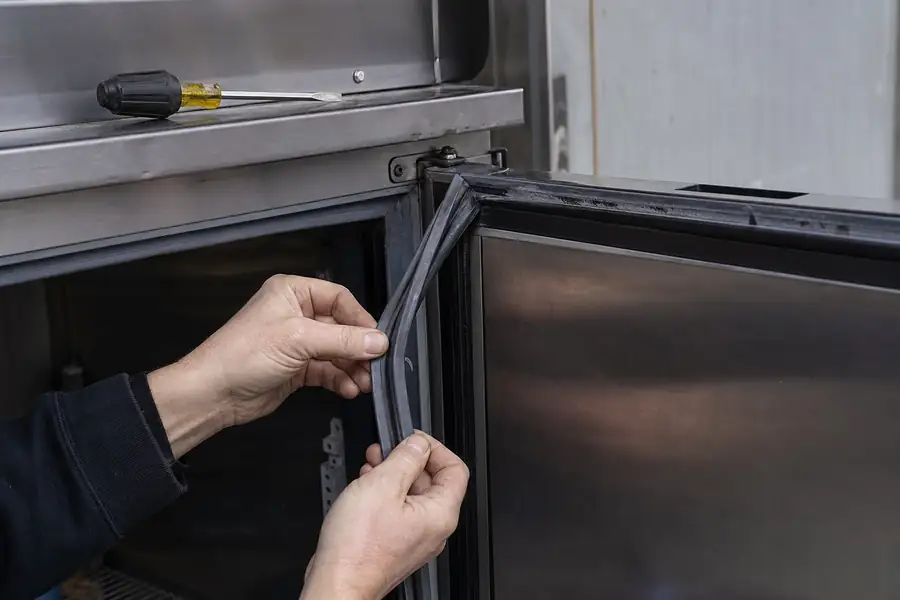
Do not force a too-small gasket into the channel or trim a too-large one freehand; both usually fail within weeks and waste the part. Set the gasket aside, note the unit's brand, model number, and approximate age, and get an accurate reading before ordering again.
If the unit is old enough that the listed part number no longer exists, or the model was discontinued years ago, Custom and obsolete unit gaskets fabricated from your existing seal profile solve the mismatch without guessing at a replacement part number that may not even be sold anymore.
How to get it right the second time
Send us the part number you were given, along with the brand and the approximate install year, and The Gasketeers will check it against the actual profile before you order again. That single check catches most of the six problems above before a part ships, and it is the same reason a replacement refrigerator gasket does not fit less often for repeat customers than for a first-time online order.
For a longer breakdown of measuring the channel instead of the door, see this guide on why your replacement gasket doesn't fit, and keep it handy for whoever orders parts on your team. If the part on hand still won't seat after checking against it, contact The Gasketeers with photos of the channel and the gasket side by side.
Frequently asked questions
Why doesn't my new refrigerator gasket fit?
Most fitment failures trace back to one of six causes: the manufacturer changed the gasket profile partway through the model's production run, the order was based on the door's outer dimensions instead of the channel, two suppliers measured the part differently, a previous repair already swapped in a different profile, the channel itself is damaged, or a universal gasket was used on a door that needed an exact fit. Checking the part number against the unit's actual build year usually identifies which one applies.
Are universal refrigerator gaskets any good?
Universal refrigerator gaskets work as a temporary fix on simple reach-in doors because they are cut oversized and trimmed on site. They hold up less well on prep tables, drawers, and glass display cases, where tighter tolerances make an exact factory-profile gasket the better long-term choice.
Can the same model take different gaskets?
Yes. Manufacturers sometimes change a gasket's profile partway through a model's production run without changing the model number, so two units with identical stickers can need different parts. The True T-49F and GDM-35 are documented examples, splitting into different profiles around 2005 and 2009 respectively.
What do I do with a gasket that is too small?
Set it aside rather than forcing it into the channel, since a stretched gasket seals poorly and fails faster. Confirm the unit's brand, model number, and approximate age, then reorder against the correct profile rather than the door's outer measurement.