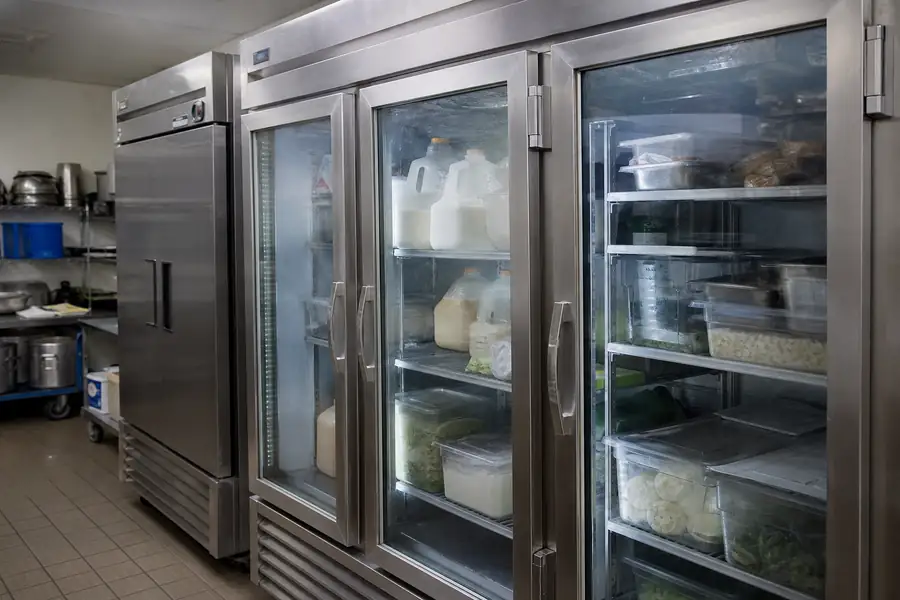
Quick answer: Yes. A site built walk in cooler door gasket can be fabricated for almost any cold room that was built in place, because the fabricator works from the physical retaining channel on the door itself, not from a model number that was never assigned in the first place.
Walk-ins that were framed and insulated on site, rather than shipped as a packaged unit from a refrigeration manufacturer, don't come with a parts catalogue to search. The Gasketeers handle this category through custom fabrication for one-off units, measuring the door's channel directly and building a seal to match it. It's the same approach used for discontinued equipment that no longer has a listed part number anywhere, and it's the only approach that works once a door has no brand to look up at all.
A senior living kitchen in Longmont with a cold room built into the basement decades ago runs into this constantly. There's no data plate worth calling about, and no supplier will quote a job with nothing to search against.
What a site-built walk-in actually is
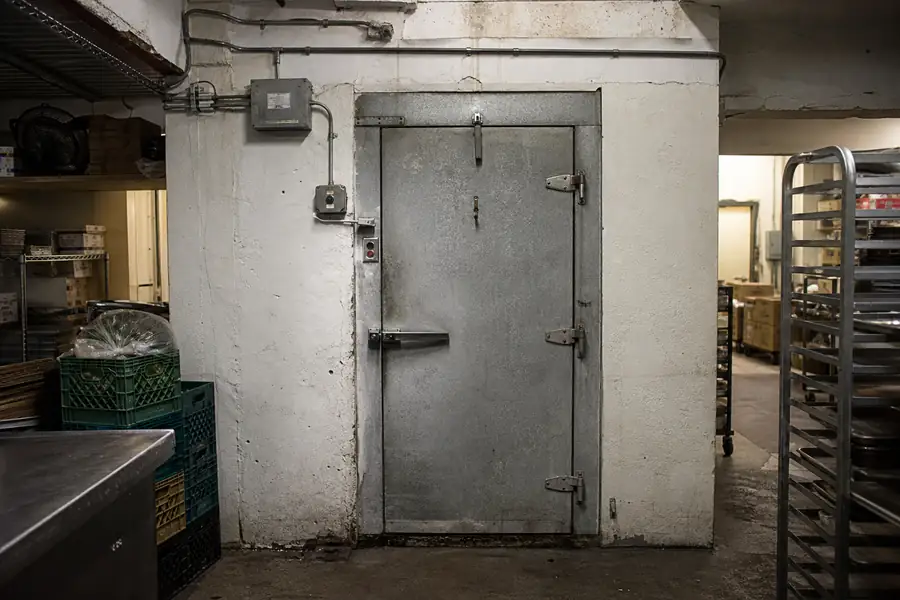
A site-built walk-in is a cold room that was framed, insulated, and finished on location, rather than purchased as a complete box from a refrigeration manufacturer. Panel-built cold rooms, assembled from insulated panels by a local contractor rather than a factory, fall into the same category. Both leave the door without a brand, a model number, or a manufacturer spec sheet behind it.
This is common in older Boulder County buildings: cellar cold storage under a downtown restaurant, a cold room built into the back of a grocery store before it changed hands twice, converted walk-ins in school and institutional kitchens from a time when building the box on site was cheaper than buying one complete. None of these doors were ever meant to be looked up. They were built once and left alone, and the seal just wore out on its own schedule.
Need a gasket replaced?
Call us or send your unit's model number. Free quotes across Boulder County, usually same week.
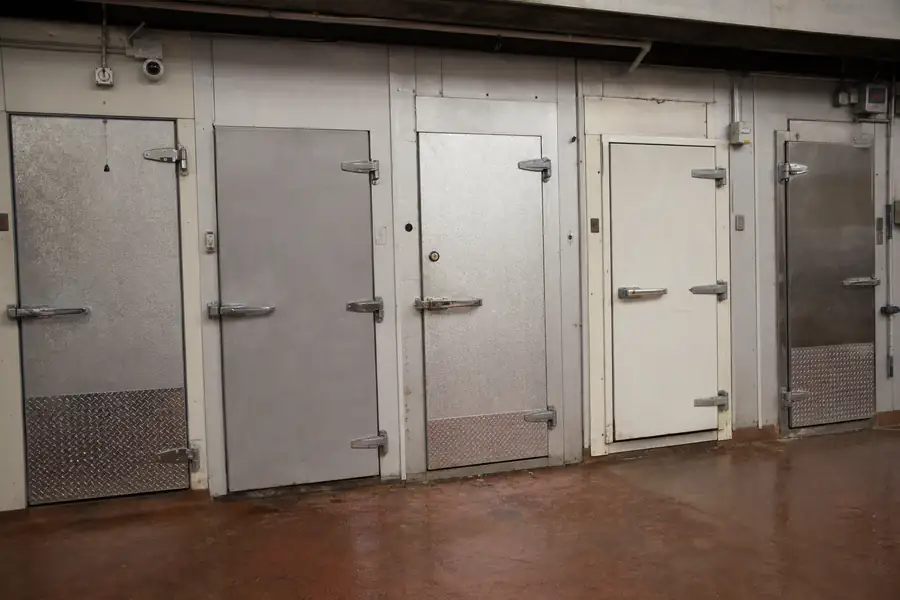
No parts supplier can quote a site built walk in cooler door gasket because there is no brand, model number, or catalogue listing to search against. Standard suppliers work entirely off identification: a data plate gives the brand, the brand points to a model, and the model cross-references a listed gasket size and profile. A site-built door skips every one of those steps, because no manufacturer ever assigned a model number to it in the first place.
A school kitchen in Lafayette with this exact problem hears the same answer from every parts counter: send a model number first. There isn't one, so the call ends there. That dead end is the reason this job falls entirely to a fabricator rather than a retailer.
What the door still tells us
Even with no identification anywhere on the unit, the door itself still carries everything needed to build a new seal. The channel, the old gasket, and the frame alignment all give measurable information that a fabricator can work from directly.
The retaining channel
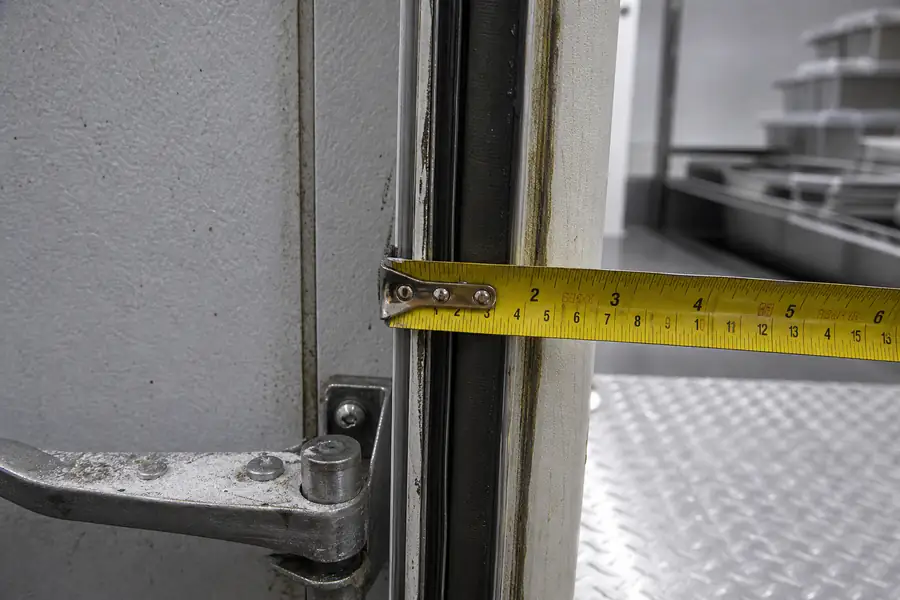
The retaining channel is the groove routed or formed into the door panel that holds the gasket's mounting bead in place. Its width and depth determine which fabricated profile will actually lock in and stay seated under daily use, and it is the single most reliable measurement on a site-built door because it rarely changes shape even after the gasket itself has failed.
The existing seal, however far gone
Even a gasket that is cracked, flattened, or missing entire sections still shows the original bulb shape and mounting style where any of it survives. A few inches of intact material in a corner is often enough to confirm the profile that the rest of the door used to carry.
The frame and the strike
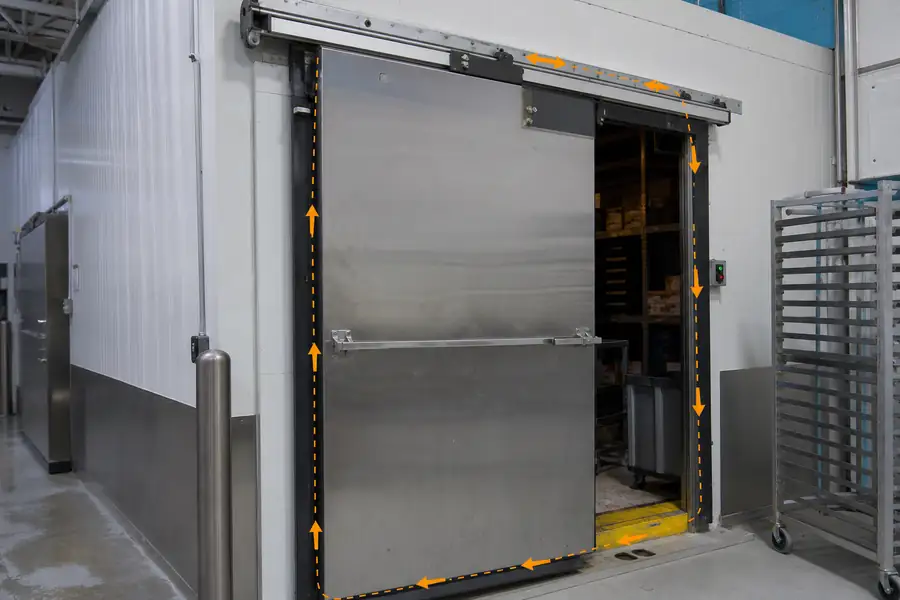
The door frame and the strike point, where the door meets the frame and the latch engages, show whether the gasket needs to compensate for a frame that has shifted slightly over the years. Site-built doors settle with the building around them, so the frame is checked for square at the same time the channel is measured.
When the original seal is completely gone
A door with no gasket left at all can still be measured and sealed, using the channel dimensions alone. The channel doesn't disappear when the gasket does. Its width, depth, and mounting style stay fixed in the panel, which is enough on its own to determine a matching profile even with zero original material to reference.
Fabricating to a channel rather than a catalogue
Fabricating a custom walk in cooler gasket means building the seal to the door's actual channel dimensions, not to a listed part number. A technician measures the channel width, depth, and mounting style on site, then builds a gasket to that exact profile rather than ordering a stock size and hoping it seats correctly. A closer look at how these channels get measured and matched shows the same process used across every site-built job in the county, whether it's a basement cold store or a converted back room.
This is the deepest expression of custom and obsolete gasket work, because there is no shortcut version of it. A retailer can sometimes get lucky matching a discontinued brand to a similar stock profile. A site-built door offers no such shortcut, since there was never a brand to match against in the first place.
What genuinely cannot be done
Fabrication solves the seal, not the door itself. A panel that has delaminated, a frame that has racked out of square beyond what a gasket can compensate for, or hinges and a closer too worn to hold the door flat against the frame all need repair on their own terms before a new seal will hold. A gasket fitted to a door that won't close square still won't seal, no matter how precisely it matches the channel.
Getting a cold room nobody else will quote
The process starts the same way for a site-built door as it does for any obsolete unit: tell The Gasketeers what the door looks like, send photos of the channel and whatever seal remains, and a technician measures and quotes from there. A Boulder restaurant with a cellar cold room built in the 1970s doesn't need a model number to get a straight answer, just a door to look at. Contact The Gasketeers with photos of the door and whatever data plate exists, even a blank one, and the next step is a measurement, not a search.
Frequently asked questions
Can you get a gasket for a homemade walk in cooler?
Yes. A homemade or site-built walk-in door is sealed the same way any custom or obsolete unit is: by measuring the retaining channel on the door and fabricating a gasket to match it, with no brand or model number required at any point in the process.
How do you seal an old walk in cooler door?
The door's retaining channel, whatever remains of the old gasket, and the frame alignment at the strike point are measured directly, and a new gasket is built to those measurements. This works whether the original seal is mostly intact or completely gone.
What if my walk in cooler has no manufacturer?
A missing manufacturer only stops a parts retailer, not a fabricator. The channel in the door panel holds all the information needed to build a matching seal, so a cold room with no brand anywhere on it can still be sealed correctly.
Can gaskets be made to measure?
Yes, that is exactly how site-built and obsolete doors are handled. A technician measures the channel width, depth, and mounting style on the actual door, then fabricates a gasket to those specific dimensions rather than ordering a stock size and hoping it fits.