A Five-Minute Door Seal Round Your Closing Crew Can Run
A short closing routine that catches seal problems weeks before they cost you a temperature failure, written to be handed to staff rather than read by managers.
Most closing checklists cover food safety, cleaning, and locking up. Almost none of them say anything about the cold doors, and that gap is where trouble starts. A worn gasket or a sagging hinge rarely fails all at once. It drifts for weeks, a little colder tonight, a little warmer tomorrow, until a case of product is lost or a health inspector pulls a bad reading.
A commercial kitchen closing checklist that covers refrigeration doesn't need a technician on staff to run it. It needs five minutes and five steps that any closing crew member can do without calling a manager.
The Gasketeers see which kitchens catch these problems early and which ones don't, and the difference is almost never the equipment. It's whether anyone touched the door seal on the way out.
A nightly door seal round takes about five minutes across a typical kitchen's cold doors.
Closing staff can run it with no tools and no refrigeration knowledge.
The round has five steps, always in the same order: push, feel, look, check, note.
A one-line log catches a slow drift days before it becomes lost product or a failed inspection.
Same-night problems and end-of-week problems need different responses, decided in advance with the kitchen manager.
Who this is for
This round is built for whoever locks up at night, not for the person who manages the budget. It asks staff to notice and write down what they find, never to diagnose or fix anything themselves.
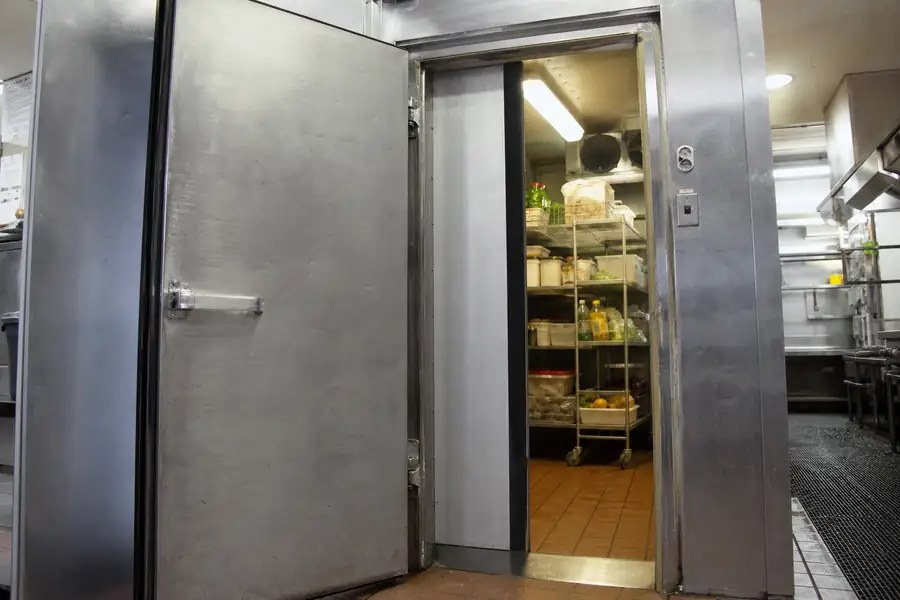
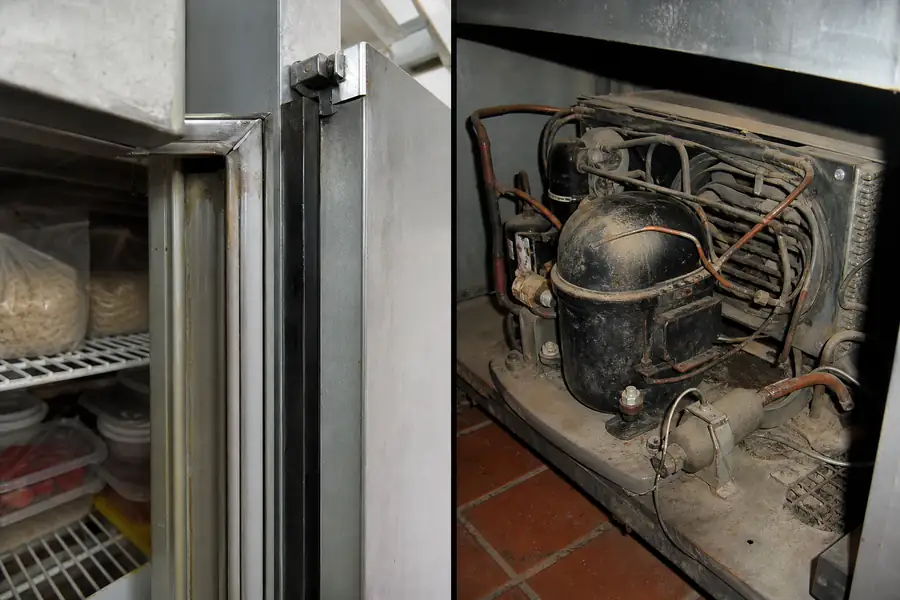
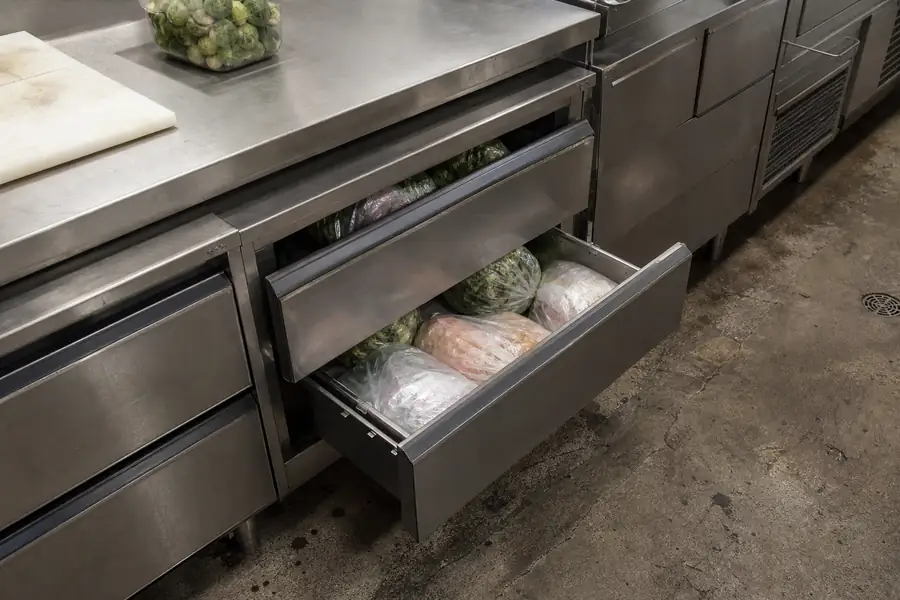
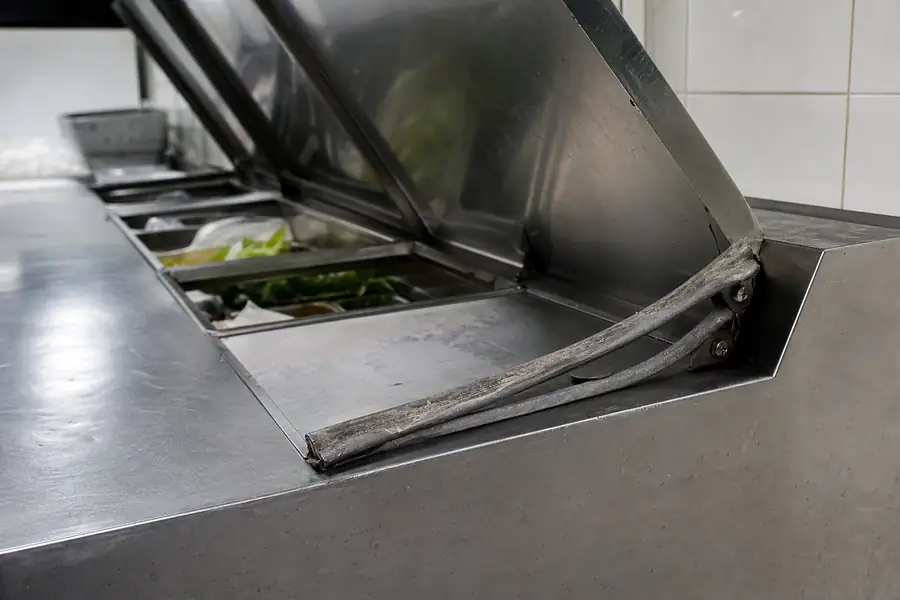
That's different from a deeper monthly inspection of a single walk-in, or a technician's diagnostic visit with a thermometer and feeler gauge. This is a nightly, five-minute pass across every cold door in the building: walk-ins, reach-ins, glass merchandisers, prep tables, and refrigerated drawers.
If the round turns up something beyond a quick staff fix, our gasket services cover every one of those door types, including custom gaskets fabricated for older or discontinued units.
Need a gasket replaced?
Call us or send your unit's model number. Free quotes across Boulder County, usually same week.
The round runs in five short steps, always in the same order, so staff don't have to think about a sequence. Run it on every cold door before the lights go off, not just the walk-in.
1. Push each door shut and let go
Push the door shut the way a busy line cook actually would, then let go without holding it in place. A door that drifts back open on its own weight has a self-closing problem, usually a cam-lift closer that's lost tension or a hinge that's sagged out of square, and no gasket fixes that on its own.
2. Run a hand round each seal
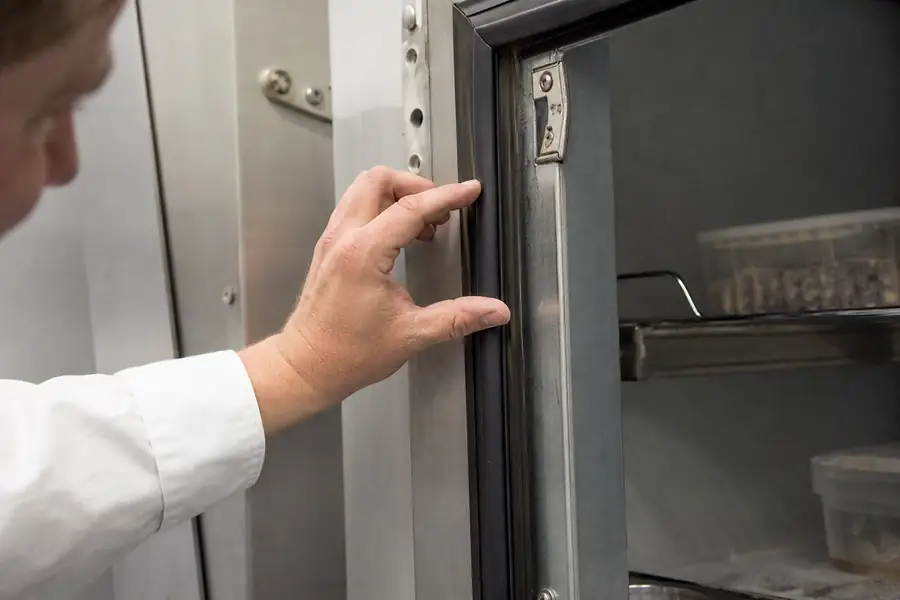
Run a flat hand around the full loop of the gasket, the rubber strip that seals the door to the frame, feeling for a cold draft, a soft or flat spot, or a gap where the door doesn't quite meet the frame. A seal that feels fine at the top and cold at the bottom is already failing, even if it looks fine standing back. Reach-ins and glass display cases wear this way just as often as walk-ins; if a reach-in cooler and freezer gasket feels cold only in patches, that's the seal talking.
3. Look for anything caught in the fold
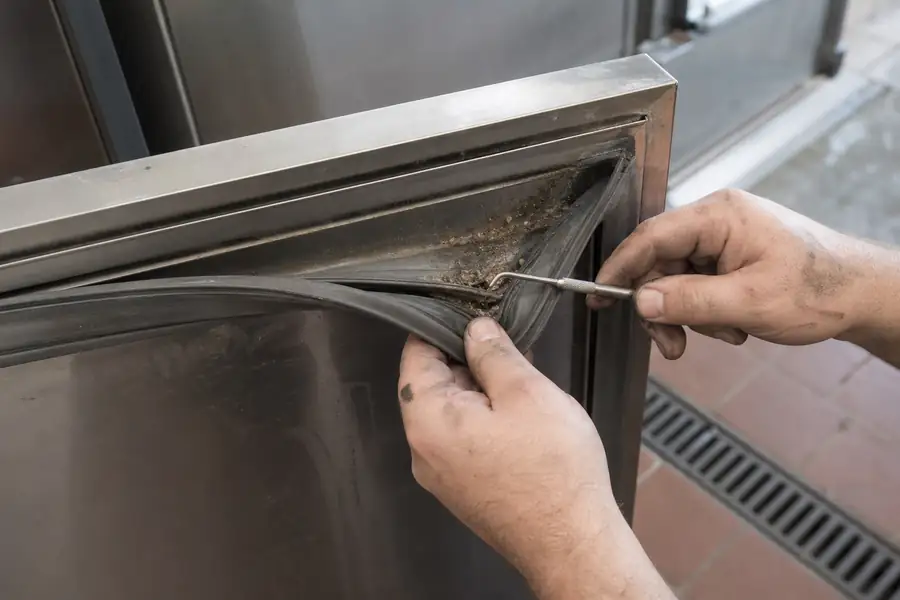
Check the fold, the magnetic lip where the gasket pinches against the frame, for anything wedged inside it. A wrapper corner, a bit of lettuce, or dried sauce caught in that fold props the seal open just enough to let warm air leak in, even while the door looks shut from across the kitchen.
4. Check nothing is propped
Confirm nothing, a mop bucket, a trash can, a folded towel, is holding a door open on purpose. A door propped open tonight isn't a seal problem, but if the same door gets propped every night, that's worth a note, since it usually means airflow or space is the real issue.
5. Note anything that felt wrong
Write down anything that felt off, even if it's hard to describe: a door that felt heavier than usual, a handle with play in it, a sweep dragging on the floor. These small impressions are often the first sign of a hinge or closer problem days before the seal itself fails.
What to write down and where
Each door gets one line on the closing sheet: fine, or a short note of what staff found. Keep the sheet next to the schedule or time clock, somewhere it gets filled in without anyone hunting for it.
The value isn't in any single night's note. It's in the pattern across a week or two, when the same door keeps showing up with a small complaint and a manager can catch a slow drift before a customer or inspector does.
What to escalate the same night
Some findings can't wait for the morning manager. A door that won't latch on its own, a walk-in that feels noticeably warm inside, or water pooling on the floor in front of a case all call for a call that night, not a note for Monday.
Decide this list with your kitchen manager before the first night it matters, so staff aren't guessing about what counts as urgent. If something in the round doesn't look right and needs a second opinion, contact The Gasketeers and describe exactly what staff found.
What to escalate at the end of the week
Smaller wear doesn't need a same-night call, but it shouldn't get forgotten either. A sweep starting to fray, a screw working loose on a hinge, or debris that keeps showing up in the same fold are end-of-week items a manager should review and decide on.
This is where a manager's judgment matters most, since a worn seal that's still sealing is different from one that's actively letting air through. The nightly round flags it either way; the weekly review decides what gets fixed and when.
Print the card
The five steps fit on one laminated card taped inside the walk-in or next to the time clock, so staff always have it even on a rushed close. The Gasketeers keep an always-current, printable version of this round, in letter or A4, in our nightly door seal check for kitchen staff guide.
Printed and taped up, this becomes the refrigeration line a commercial kitchen closing checklist was missing. It costs nothing to run and nothing to ignore, except the cost of the product or the inspection it eventually fails to catch.
Frequently asked questions
What should be on a kitchen closing checklist?
Beyond food safety and cleaning tasks, a complete closing checklist should include a nightly check of every cold door's seal: push each door shut, feel the gasket, and look for anything propped open. This takes most kitchens under five minutes and catches seal problems before they turn into warm product or a failed inspection.
How often should refrigerator seals be checked?
Commercial refrigeration seals should get a quick visual and touch check every night as part of closing, plus a closer monthly look at hinges, closers, and sweeps from a manager or technician. Nightly checks catch sudden problems like debris in the seal or a door that won't latch, while monthly checks catch slower wear.
How do you train staff on refrigeration checks?
Training works best as a short walk-through: show one staff member the five steps once, have them repeat the steps on the next door themselves, then let the printed card do the reminding after that. No technical knowledge is required, since the round only asks staff to notice and write down, not diagnose or repair.
What is a daily cooler check?
A daily cooler check is a quick, staff-run look at whether a walk-in or reach-in is sealing, latching, and sitting at a safe temperature, done without tools or specialized knowledge. It differs from a technician's diagnostic visit, which tests gasket fit, hinge alignment, and airflow with a thermometer and feeler gauge.