Prep Table Lids and Base Doors That Will Not Hold Temperature
Prep table lids take more abuse than any seal in the kitchen. Why the lid, the rail and the base door each fail differently, and which one is losing your cold.
Quick answer: A prep table not holding temperature is almost always a seal problem, not a compressor problem. A sandwich or pizza prep table has three separate seals, the lid, the pan rail, and the base storage doors, and any one of them can fail while the other two stay tight. Most warm-top complaints trace back to a worn lid seal, since it gets opened and slammed shut more than any other gasket in the kitchen.
If your salad prep table has warm ingredients sitting on top but the base underneath still runs cold, that points straight at the lid. If the whole unit runs warm, the problem is likely spread across two seals at once, or door hardware is holding a seal slightly open. The Gasketeers see this pattern in kitchens all over Boulder County: the compressor gets blamed for a bill that a worn gasket actually caused. This guide works through a quick prep table seal diagnostic you can run before calling anyone.
A prep table is three seals, not one
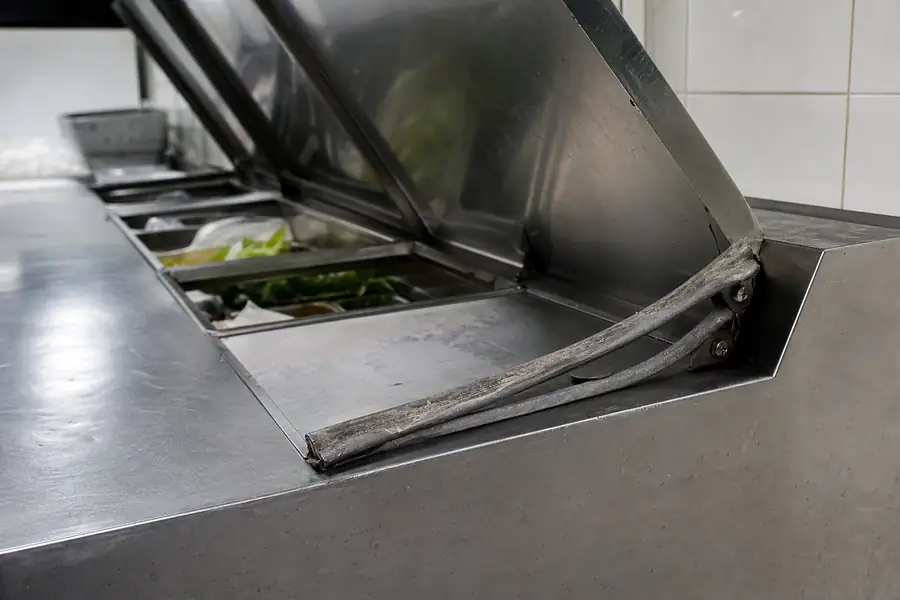
A prep table is not one refrigerated box with one door. It is three sealing systems stacked on top of each other, and each one fails on its own schedule. The lid closes down over the pan rail that holds the ingredient pans, and the base doors seal off the refrigerated storage underneath.
Because the systems are independent, checking only the base doors and calling the unit fine misses where the real leak is. A tight base and a blown-out lid seal will still leave your pizza prep table not cold on top, even though everything below the rail reads perfect.
Need a gasket replaced?
Call us or send your unit's model number. Free quotes across Boulder County, usually same week.
The lid seal is the first thing to wear out on almost every prep table The Gasketeers touch, and it's usually the last thing anyone checks. It sits under constant hands-on abuse during every shift, which is exactly why it fails before the base doors ever do.
Why it fails first
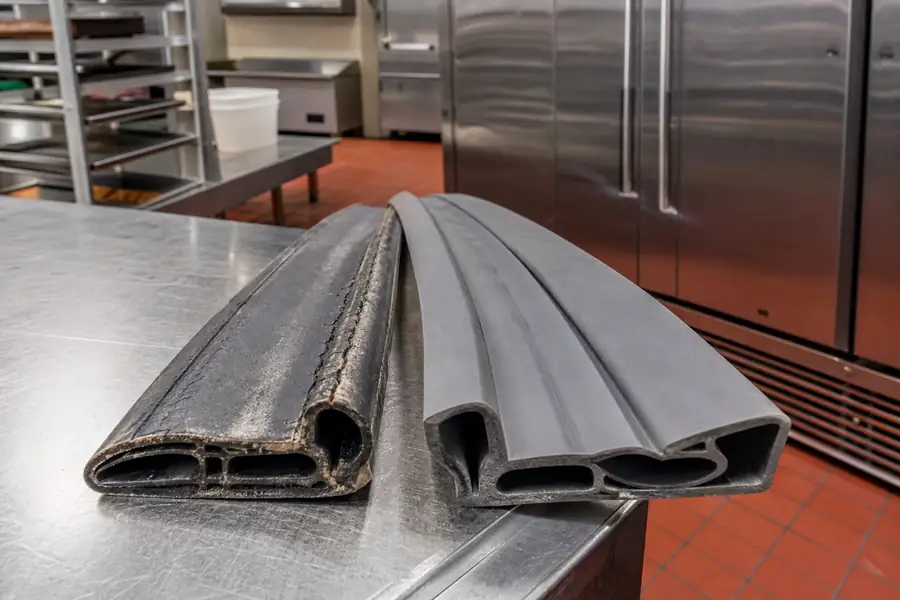
A lid gets opened and dropped shut dozens or hundreds of times a shift, often with a gloved hand and zero patience during a rush. The gasket profile on a lid is thinner than a door gasket to begin with, so repeated slamming compresses it flat faster than a hinge-mounted door seal ever sees. Grease and flour work into the seam too, which keeps the lid from closing fully square even when the gasket itself still has some life left.
What a compressed lid seal looks like
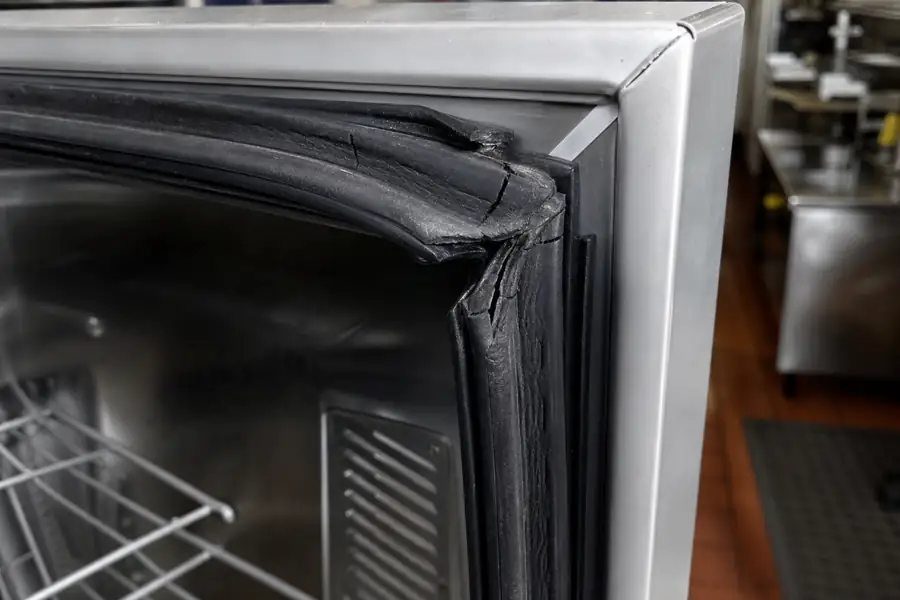
A compressed lid seal looks flattened and shiny along the contact edge, instead of round and springy. Run a piece of paper along the seam with the lid closed: if it slides out with no resistance anywhere along the rail, the gasket isn't sealing there anymore. You'll often see a faint ring of frost or sweat on the pan rail lip directly under the worst section, which is the cold air finding its way out.
The pan rail and the cold well
The pan rail is the trough that holds your ingredient pans, and it depends on the lid seal above it to keep cold air in the well. A sandwich prep table lid seal that's failing lets warm kitchen air spill straight down onto the rail, which is why pans along the ends often run warmer than pans in the middle. The rail itself rarely has a separate gasket, so problems here almost always trace back up to the lid rather than the rail hardware.
The base doors
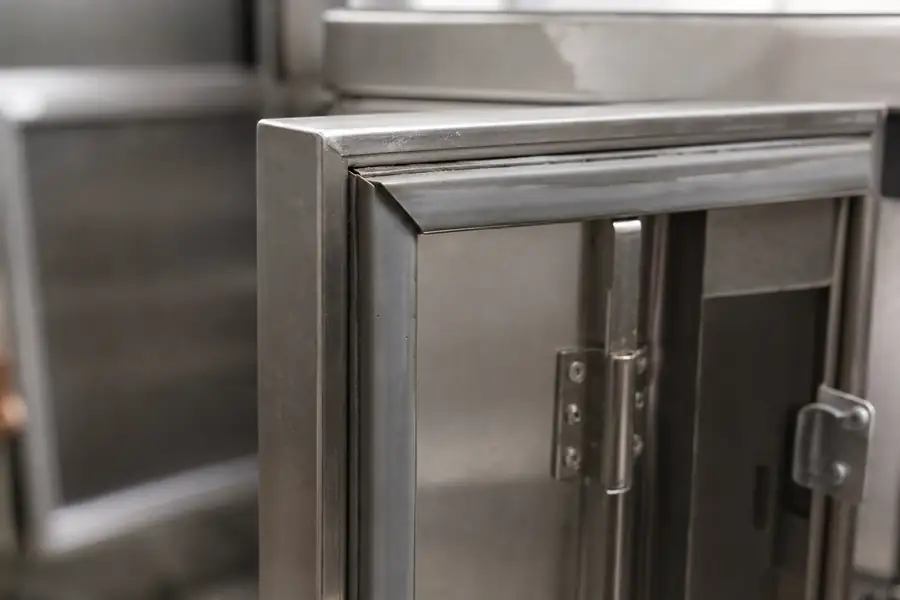
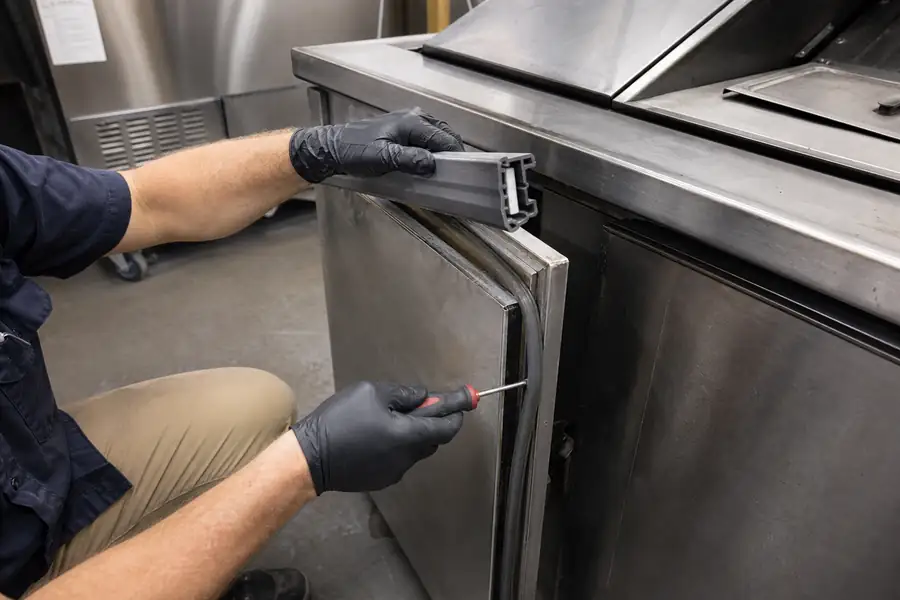
The base doors seal the refrigerated storage under the rail, and they behave like any other reach-in door: hinge-mounted, opened far less often, and gasketed with a heavier profile than the lid. Base door seals typically last longer than lid seals simply because they take a fraction of the daily abuse. When a base door seal does fail, you'll usually see it as frost buildup around the door frame or a slightly warm product shelf, while the top of the unit stays cold and unaffected.
Working out which one is losing you temperature
The fastest way to isolate the problem is to check top and bottom temperatures separately instead of trusting one thermometer reading for the whole unit.
Symptom
Likely source
Warm pans on top, cold base storage
Lid seal
Frost or sweat on the rail lip
Lid seal
Warm base storage, cold pans on top
Base door seal
Frost around the base door frame
Base door seal or hinge alignment
Both top and bottom running warm
Lid and base seal, or both
If the paper-slide test shows a gap on the lid but the base doors hold the paper firmly all the way around, you've found your answer without opening anything up.
The habits that shorten lid seal life
Certain kitchen habits wear out a lid gasket far faster than normal use alone.
Leaning or sitting on a closed lid during prep
Slamming the lid instead of lowering it
Letting flour, sugar, or dried sauce build up in the seam
Propping the lid open with a pan instead of the built-in stay
Wiping the seal with bleach-soaked rags daily without rinsing
None of these habits are unusual in a busy kitchen. They're just the reason a lid seal on a high-volume line can wear out well before a base door seal on the same unit ever needs attention.
What this has to do with a failed temperature check
A prep table not holding temperature is exactly the kind of finding an inspector notes on a checklist, and a warm ingredient pan on the top rail reads the same to a health inspector whether the cause is a bad compressor or a worn lid gasket. The unit doesn't get credit for a base that's holding 38°F if the pan on top is sitting at 50°F. That's why isolating the lid from the base matters before a scheduled inspection, not after one flags the unit.
Getting the lid and base done together
Most prep tables that need a lid seal replaced are due for a base door seal soon after, since both parts have been running the same hours on the same unit. Having prep table lid and door gaskets replaced in one visit avoids a second service call a few months later for the seal that was already close to worn out. This applies across brands: a Delfield prep table and a Continental or Randell unit all use the same lid-versus-base logic, even though the exact Delfield seal profile differs from other manufacturers. If your unit is older or the model is discontinued, the original profile can usually still be matched from the existing gasket rather than guessing at a replacement part number. To get a seal checked, contact The Gasketeers with your unit's brand and approximate age, or text photos of the lid and a base door to get a quick read on which seal is losing you temperature.
Frequently asked questions
Why is my prep table not staying cold?
Most of the time it's a worn lid seal, a worn base door seal, or both, letting cold air escape faster than the unit can replace it. The compressor often runs constantly trying to compensate, which is why operators assume it's a refrigeration problem before anyone checks the gaskets.
Do prep table lids have gaskets?
Yes, the lid has its own gasket separate from the base doors, and it's usually a thinner profile than a standard reach-in door seal. Because the lid is opened so much more often during a shift, its gasket typically wears out well before the base door seals do.
Why are my prep table ingredients warm on top?
Warm ingredients on the rail almost always point to a failing lid seal rather than a base or compressor issue, since the lid is what keeps cold air trapped around the pans. If the base storage underneath still tests cold, that confirms the lid is the problem and not the refrigeration system.
How often do prep table gaskets need replacing?
There's no fixed schedule since it depends on how hard the lid gets used, but high-volume lids often need replacement well before base door seals do because of constant opening and closing. A simple paper-slide test along the seal edge during routine cleaning will show wear before it turns into a temperature problem.