OEM, Aftermarket or Custom Cut: Choosing a Commercial Gasket
How the three gasket options really differ on fit, service life and lead time, and which one is right when the manufacturer part still exists and when it does not.
You have three quotes for the same walk-in cooler door, and they read like three different jobs. One says OEM, one says aftermarket, one says custom fabricated, and the prices are far apart. None of them answer the real question behind an OEM vs aftermarket refrigerator gasket decision: how well the seal fits, how long it lasts, and whether you can get the same part again once it wears out.
The The Gasketeers fit OEM parts and fabricate custom ones in roughly equal measure, so there is no house preference steering this comparison toward whichever option pays better. Here is how the three actually compare on fit, material, lead time and repeatability.
OEM gaskets match the factory profile exactly, but only while the manufacturer still makes that part.
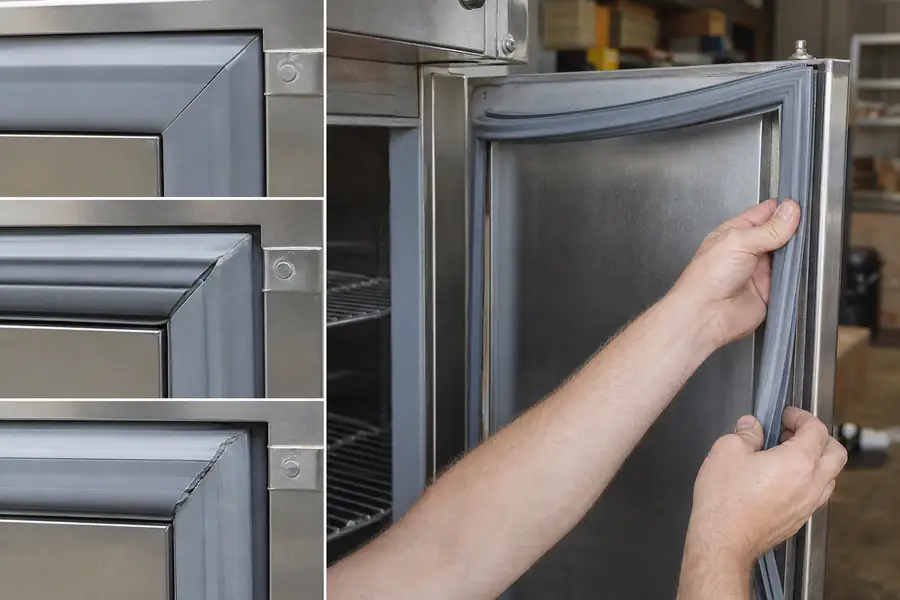
Aftermarket commercial gasket quality swings widely by supplier, and corner miters are usually where it shows.
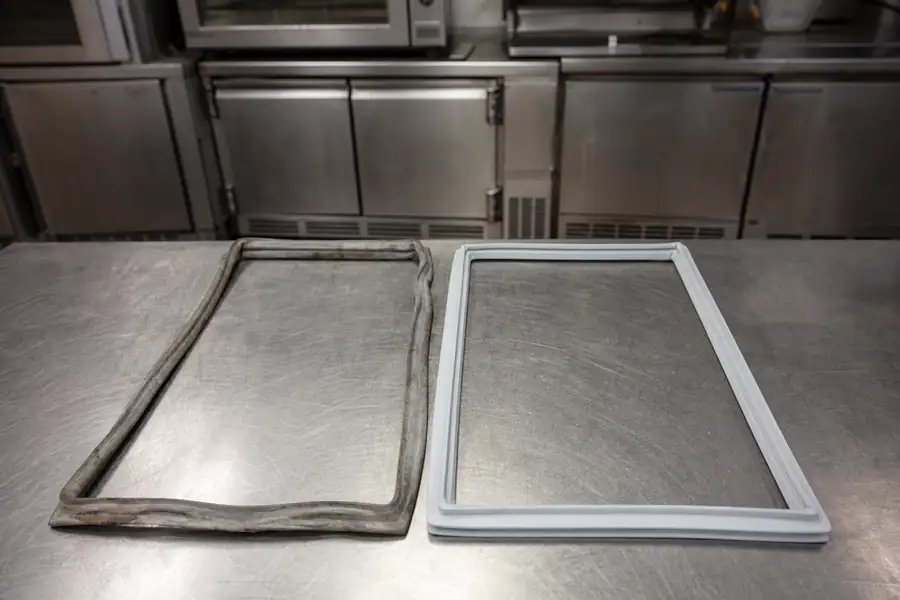
A custom refrigerator gasket is built from your door's own seal, so fit is not a guess even on an obsolete unit.
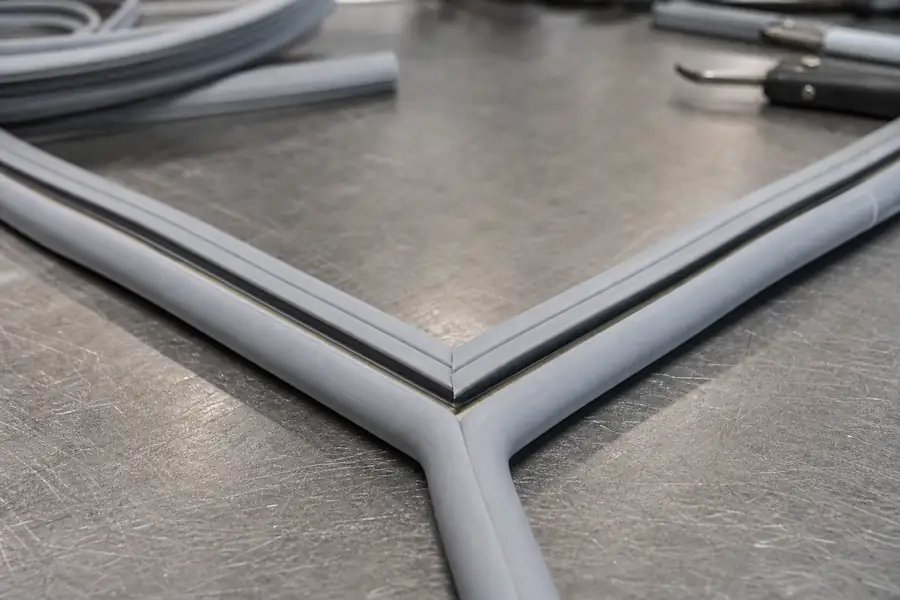
Material thickness and how the corners are joined affect service life more than the label on the box.
The only fair way to compare quotes is to price OEM, aftermarket and custom on the exact same door.
What OEM, Aftermarket and Custom Cut Actually Mean
OEM stands for Original Equipment Manufacturer. An OEM gasket is ordered through the maker of your unit, brands like True, Traulsen, Turbo Air or Delfield, and built to that exact model's snap bead, corner radius and mounting flange. Aftermarket gaskets come from third-party suppliers who reproduce a shape close to the OEM profile and sell it for less, with quality that varies from one supplier to the next. A custom cut gasket, sometimes called a custom-fabricated gasket, is built by hand from the seal profile already on your door instead of a catalog part number. That is the work behind custom and obsolete gasket fabrication, and it is what keeps an aging unit sealed once neither an OEM nor an aftermarket part exists for it anymore.
Need a gasket replaced?
Call us or send your unit's model number. Free quotes across Boulder County, usually same week.
Fit: OEM vs Aftermarket Refrigerator Gasket Differences
Fit decides almost everything else. A gasket that does not seat flush lets in warm air no matter what it is made of, and the differences show up first at the corners and along the mounting flange.
Where OEM wins
An OEM gasket wins on fit when the part is still in production, because it is molded from the same tooling used to build the door. Snap bead depth, screw spacing and corner geometry all match without adjustment, right up until the manufacturer stops making the part.
Where a custom cut matches it
A custom-fabricated gasket matches OEM fit because it is built directly from the seal removed off your door, not guessed at from a catalog listing. A properly fabricated custom refrigerator gasket reproduces the original profile, corner miters and flange dimensions, so it seats the way the factory part did on day one.
Where aftermarket goes wrong
Aftermarket commercial gasket problems almost always show up at the corners first. Many use a generic extrusion glued at the miter instead of heat-welded, and flange thickness can run a fraction of an inch off true spec. That small gap is enough to let frost build up at the corners and condensation form along the door, even though the gasket looks fine at a glance.
Material and Service Life
Service life comes down to wall thickness, how flexible the vinyl compound stays over time, and how well the magnetic insert holds, not whether the part is labeled OEM. A thin, brittle gasket cracks at the corners within a year or two regardless of who made it, while a heavier, well-jointed one can handle years of daily door slams and temperature cycling. This is one spot where OEM does not automatically beat a well-built custom or aftermarket alternative: the material and construction decide, so it is worth asking about directly when you compare quotes.
Lead Time and Availability
Lead time follows a predictable pattern across the three options. OEM parts move through the manufacturer's own channel, and older models can sit on back order for weeks while a factory decides whether to run another batch. Aftermarket suppliers usually stock popular sizes and ship fast, but that speed only helps if your unit's shape is common enough to be in their catalog. Custom fabrication does not depend on anyone else's stock, since it is built from measurements taken off your own door.
Repeatability: Getting the Same Part Again in Three Years
The real test of a gasket choice is not the first one, it is the third one you order after this replacement eventually wears out. OEM part numbers get discontinued as units age out of production, and aftermarket suppliers rotate their catalogs, so the exact part you bought this time is not guaranteed to exist next time. A custom-fabricated gasket avoids that problem because the fabricator works from the profile on file, not from a part number that can disappear.
When OEM Is Not an Option at All
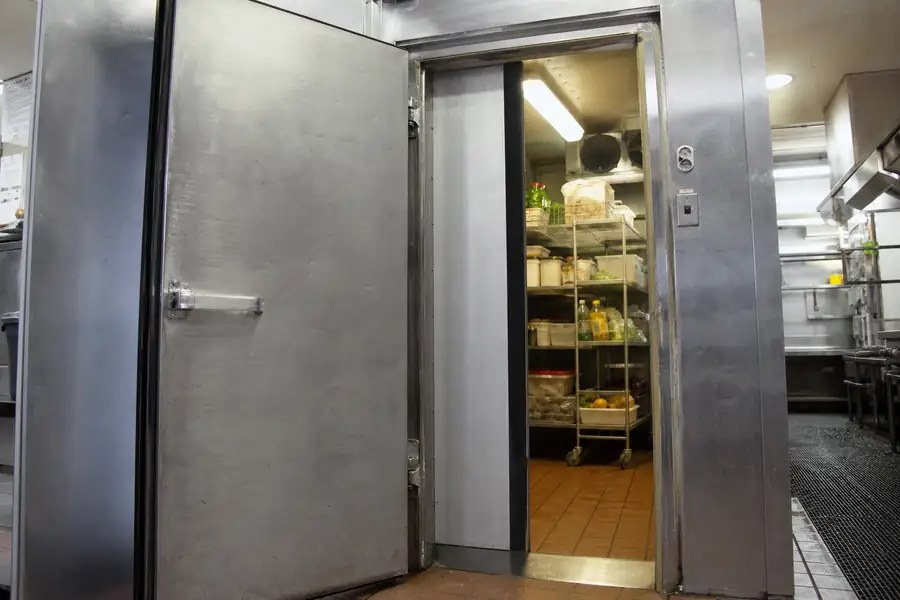
An OEM gasket is not an option once the manufacturer discontinues that model or stops supporting it with parts, which happens routinely on units older than ten to fifteen years. A Louisville brewery kitchen running an older Turbo Air reach-in that the manufacturer no longer supports hits this wall eventually. In that situation custom fabrication is not a fallback, it is the only way to get the door sealed again without replacing the whole unit. Our closer look at OEM versus custom gasket tradeoffs covers how that decision plays out on specific brands.
The Decision, in Four Questions
Most of this comparison collapses into four questions once you know what to ask.
Is the exact OEM part still in production for your model?
How fast do you need the door sealed and back in a safe temperature zone?
Will this same gasket need replacing again in a few years, and will the part still exist then?
Does precise fit at the corners and flange matter more here than the name on the invoice?
An operator who answers yes to the first question and needs speed usually leans OEM. An operator running an older or discontinued unit, or one who has been burned by a loose aftermarket fit before, usually lands on custom.
Getting All Three Priced on the Same Unit
The only fair comparison is three quotes measured against the exact same door, not three quotes based on three different assumptions about what your unit needs. Start by checking the gasket catalogue to see whether a stock OEM or aftermarket size already matches your model. If it does not, or if you would rather have someone measure the door in person, contact The Gasketeers for a price on the custom-fabricated option next to whatever OEM or aftermarket number applies to your unit. That is the only way to settle an OEM vs aftermarket refrigerator gasket comparison without guessing.
Frequently asked questions
Are aftermarket refrigerator gaskets as good as OEM?
Some are, but quality varies a lot between suppliers. The main risk with an aftermarket commercial gasket is a poorly joined corner miter or a flange slightly thinner than OEM spec, either of which lets in warm air even though the gasket looks fine.
What is a custom cut gasket?
A custom cut, or custom-fabricated, gasket is built from the seal profile already on your door instead of ordered from a manufacturer's catalog number. A custom refrigerator gasket is measured and cut to match the exact snap bead, corner miter and flange thickness on your specific unit, which makes it useful when the original part is no longer sold.
Why should you buy an OEM gasket?
An OEM gasket makes sense when the part is still in production and you want the exact factory fit with no measuring or fabrication involved. It tends to be the fastest, lowest-risk choice on newer units from brands like True, Traulsen or Delfield where the manufacturer still stocks the part.
Can you get gaskets for discontinued refrigerators?
Yes. When a unit is discontinued and no OEM or aftermarket part matches it anymore, a fabricator can build a custom gasket directly from the old seal removed off the door. This is the basis of custom and obsolete gasket fabrication, and it keeps older units in service instead of forcing a full replacement.
How long does a custom-fabricated gasket take to make?
Turnaround depends on the unit's size, seal profile and how quickly measurements can be taken off the door. It is best to ask for a current estimate when you request a quote, since lead times shift with fabrication volume.