Why Front Range Kitchens Lose Door Seals in Summer
Boulder swings from 88F afternoons to 57F nights in July, and dry air hardens vinyl seals. Here is why marginal gaskets give up in summer and what to check in May.
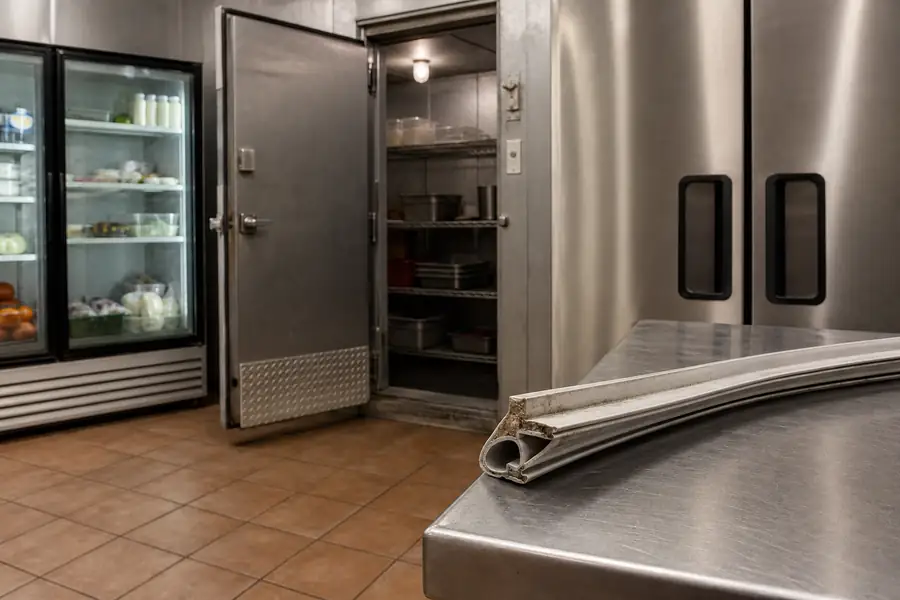
Most summer cooler failures in Boulder County start at the door, not the compressor. A walk-in that ran fine every day of May can start frosting up and running long hours the moment June's daily temperature swings begin, and the cause is almost always a door seal that's already stiffening from the dry Front Range air. The Gasketeers provide gasket service across Boulder County and see this exact pattern every summer, from Longmont diners to Louisville brewery kitchens.
What Actually Changes in a Boulder County Kitchen in June
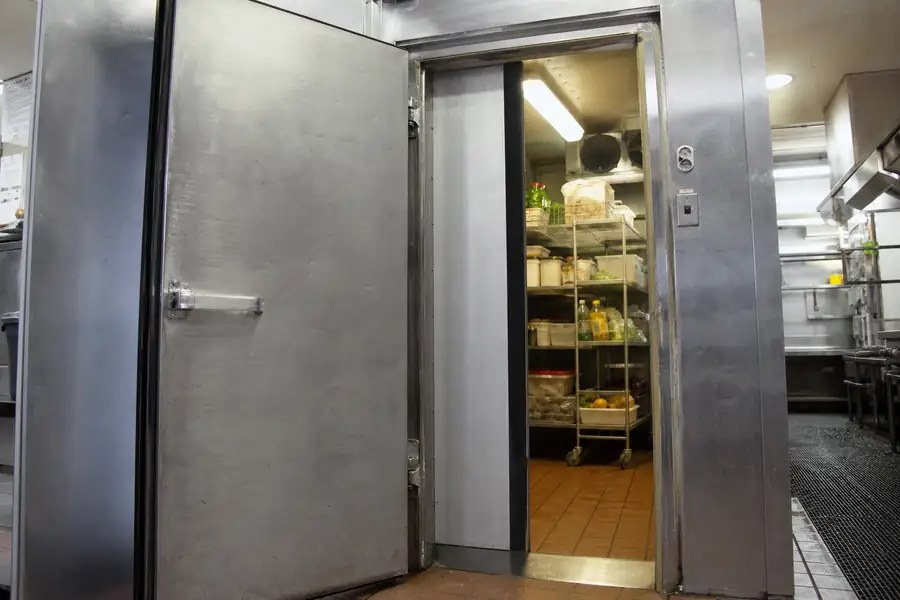
The kitchen itself doesn't get much hotter in June. What changes is the gap the door has to hold: a cold box running in the mid-30s against a kitchen that swings from a cool morning prep shift to a hot afternoon service. A walk-in cooler door gasket absorbs that gap, flexing every time the outside air shifts.
Prop the back door for airflow during a lunch rush or leave the walk-in cracked during a delivery, and a seal that held fine in May starts losing ground. It isn't one dramatic event, it's small stretches a fresh gasket shrugs off and a hardening one doesn't.
Need a gasket replaced?
Call us or send your unit's model number. Free quotes across Boulder County, usually same week.
The Front Range Problem Is Not the One You've Read About
Most seasonal refrigeration advice is written for humid climates, where the worry is condensation soaking into a seal over time. Boulder County has closer to the opposite problem: dry air that pulls moisture out of the gasket itself, combined with a daily temperature range wide enough to work the seal like a stretched rubber band, every day for months.
The Daily Swing
NOAA's National Centers for Environmental Information puts the 1991-2020 climate normal for the Boulder station at an average July high of 88°F and an average low of 57°F, a 31-degree swing in a single day. A door gasket and its frame expand and contract with that swing daily, and three months of that cycle leaves vinyl less flexible than it started.
Dry Air and What It Does to Vinyl
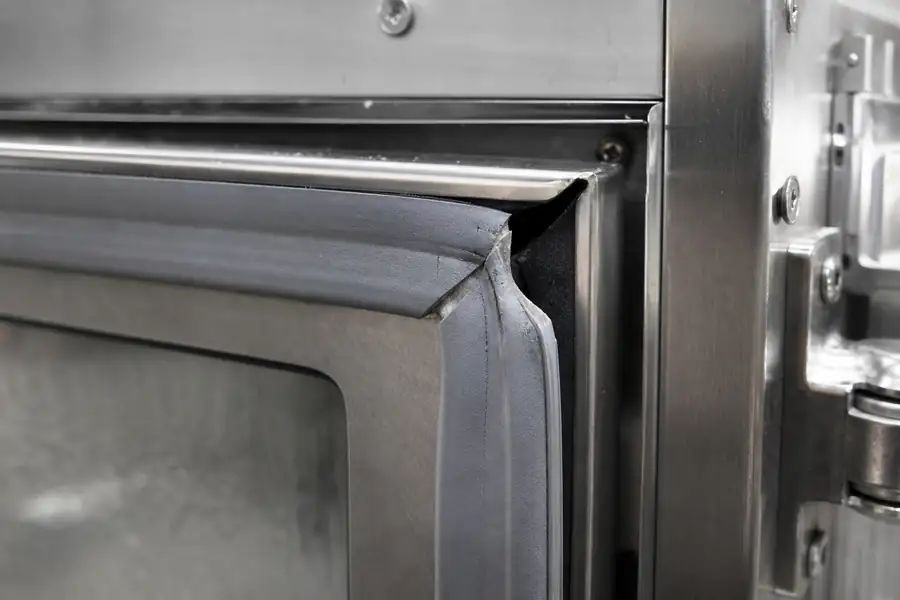
Dry air hardens refrigerator gaskets by pulling plasticizers, the additives that keep vinyl soft, out of the material faster than a humid climate would. Once they migrate out, the vinyl stiffens, shrinks slightly, and eventually cracks at the corners where it flexes most. The Front Range sits high and dry most of the year, so a gasket that would last another season in a humid kitchen can crack out a year or two sooner here.
What a Hardening Seal Looks Like Before It Fails
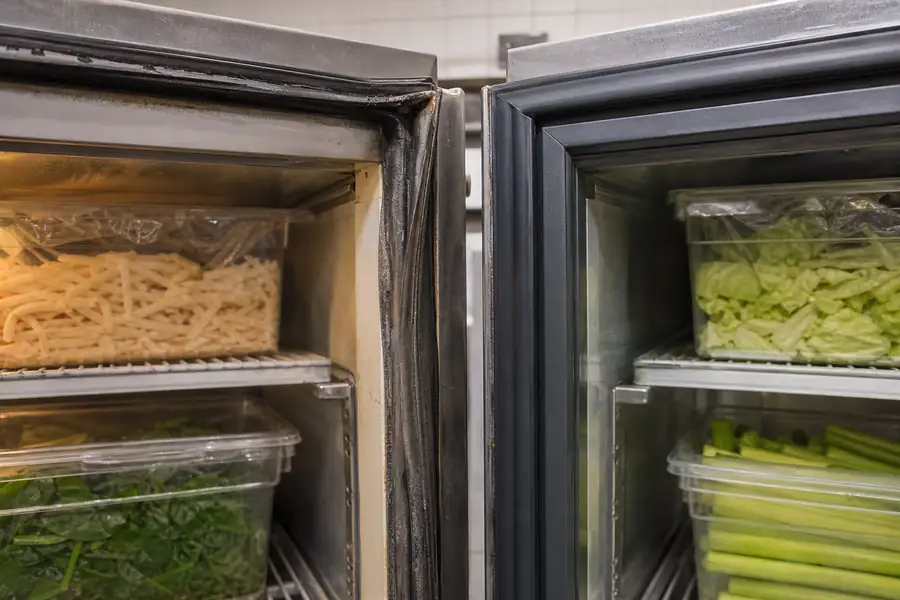
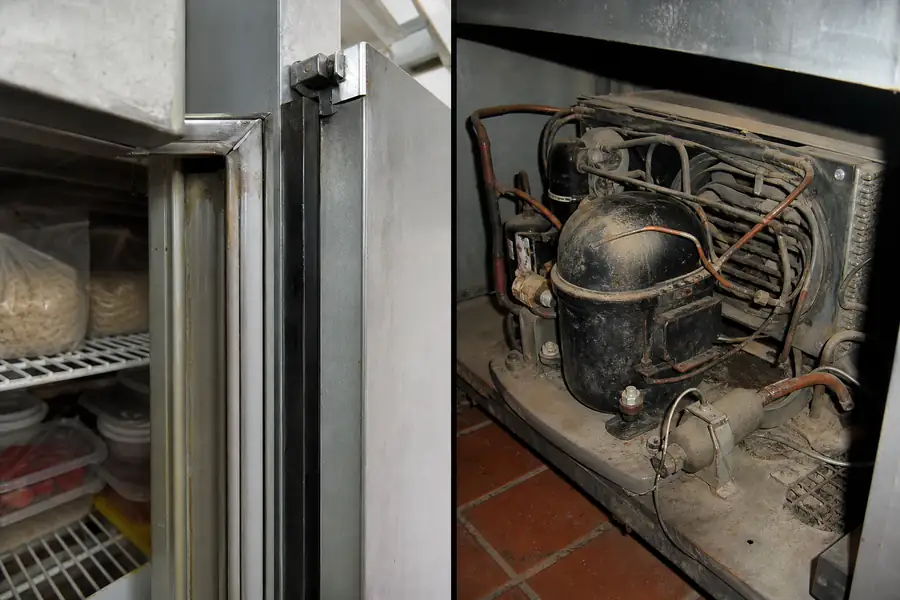
A hardening seal shows warning signs weeks before a cooler stops holding temperature. It stops springing back after the door closes, stays flattened along one edge, and pulls slightly away from the frame at a corner instead of sitting flush.
Watch for a visible gap at one corner near the hinge or latch, a thin frost line creeping along the inside of the door, condensation on the outside near the handle, or vinyl that feels stiff instead of pliable. Any one of these is worth a look. Two or more together means the door is already losing the fight.
Why the Door Is the First Thing to Give
The door assembly takes nearly all the daily stress in a commercial cooler, not the compressor. Hinges sag from thousands of open-and-close cycles, closers drift out of adjustment, and sweeps wear down, and each one pulls the gasket out of alignment even if the gasket itself still looks fine.
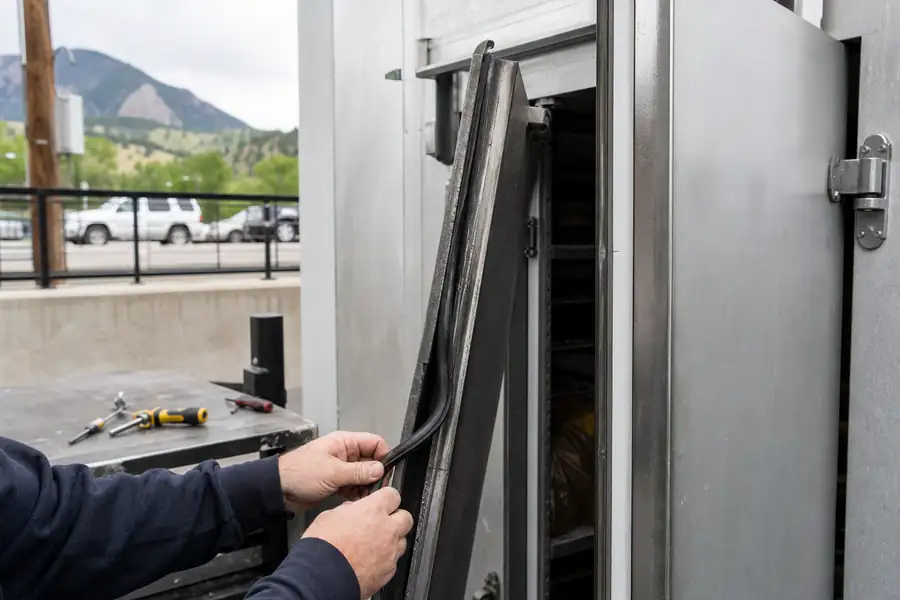
That's why a new seal on a misaligned door often fails again within weeks. Our Walk-In Cooler & Freezer Gaskets service checks the seal, hinge, closer, and sweep together for that reason. A Longmont cafe running an older reach-in through a busy patio season is a common example: the seal looks fine, but the door no longer latches square, and that small gap alone keeps the compressor running most of the day.
The May Inspection Round
May is the natural point to check every door seal, before the daily swings start working against them. Close the door on a strip of paper at several points around the frame, including both corners. If the paper slides out with little resistance anywhere, the seal isn't holding a tight line at that spot.
Run that check on every walk-in, reach-in, and glass display door in the building. A Louisville brewery kitchen gearing up for a busy summer patio menu doesn't have room for a cooler going down in July, and May is when that risk is still cheap to fix.
Which Units Go First in a Boulder County Kitchen
Walk-in doors and glass display cases tend to show hardened seals earliest, since they take the widest daily exposure and, for display cases, direct sun through the glass.
Unit Type
What Stresses the Seal
What to Watch For
Walk-in cooler/freezer door
Heavy foot traffic plus full daily temperature swing
Frost line near latch, gap at a bottom corner
Reach-in cooler/freezer
Frequent door slams, magnetic seal fatigue
Shrinkage at hinge-side corners, sluggish door swing
Glass display case
Direct sun through glass, added heat load on the frame
Brittle edges, warped or bowed frame
Prep table lid/base
Constant open-close during service, splashes
Hardened lid gasket, damp or sweating base seal
Refrigerated drawer
Runner wear plus a stiffened seal
Drawer that won't sit flush, cold air escaping at the front
Booking Pre-Season Rather Than Mid-Service
Booking a door check in May costs a fraction of what a July breakdown does, in lost product and lost cooling time alone. Tell The Gasketeers what unit you're running, they measure and quote on site, and the door gets sealed and cold again, usually the same visit.
The pattern behind summer cooler failures in Boulder County repeats in nearly every kitchen: the door gives out before the compressor does. For more on how this climate pattern plays out locally, see our companion piece on summer heat and cooler failures across Boulder County. To get a door checked before the swings set in, reach out through the contact page or call or text (970) 507-8034.
Frequently asked questions
Why do walk-in coolers struggle in summer?
In Boulder County, walk-in coolers struggle in summer mainly because the door seal loses its grip, not because the compressor can't handle warmer air. A hardened or shrunken gasket lets warm air leak in around the frame, so the compressor runs far longer than it should to hold temperature, and that extra runtime is what people notice as the cooler struggling.
Does dry air damage refrigerator gaskets?
Yes. Dry air pulls the plasticizers out of vinyl door gaskets faster than a humid climate would, which stiffens the material, shrinks it slightly, and eventually cracks it at the corners. Along the Front Range, where the air stays dry for most of the year, this drying effect does more damage to a seal over time than heat alone.
How does altitude affect commercial refrigeration?
Altitude itself has little direct effect on how well a door gasket seals a commercial cooler. What matters more in a place like Boulder County is the dry air and wide daily temperature swings that come with the region's climate, both of which stress and dry out vinyl seals faster than they would at lower, more humid elevations.
When should I check my cooler before summer?
May is the best time to check every cooler door in a Boulder County kitchen, before the summer's daily temperature swings start working against an already worn seal. A quick test with a strip of paper closed in the door at a few points around the frame will show whether the gasket is still holding a tight line.