Walk-In Cooler Door Problems and What Each One Is Telling You
Doors that drift open, seals that gap at the top, sweeps that drag: what each walk-in door symptom means and which part of the door actually needs the work.
Walk-in cooler door problems almost never have just one cause. A door that won't latch, a seal that looks fine but still leaks air, a threshold crusted in ice: each symptom traces back to one specific part of the door, and fixing the wrong part wastes a service call. A walk-in door is built from eight working parts that depend on each other, so when one wears out, the rest start compensating. This guide reads each symptom the way a technician does, part by part, before you call anyone.
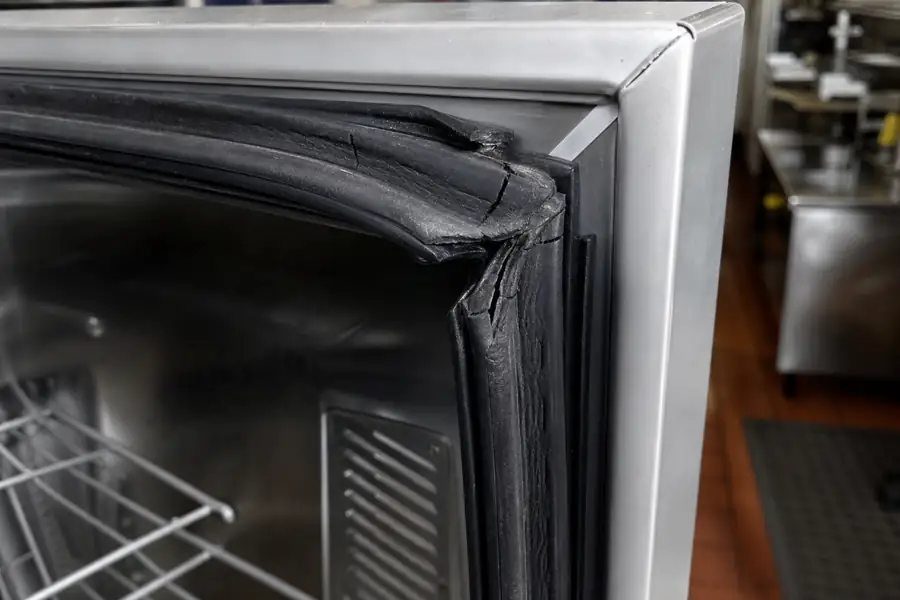
Most walk-in cooler door problems get lumped together as a bad gasket, but the gasket is only one of eight parts on the door. The Gasketeers install and repair walk-in cooler and freezer gaskets across Boulder County, and the call almost always starts with a symptom, not a part name.
A walk-in door has eight parts: panel, gasket, sweep, threshold, hinges, closer, latch, and on some units a frame heater.
A door that won't stay shut usually points to the closer or hinges, not the gasket.
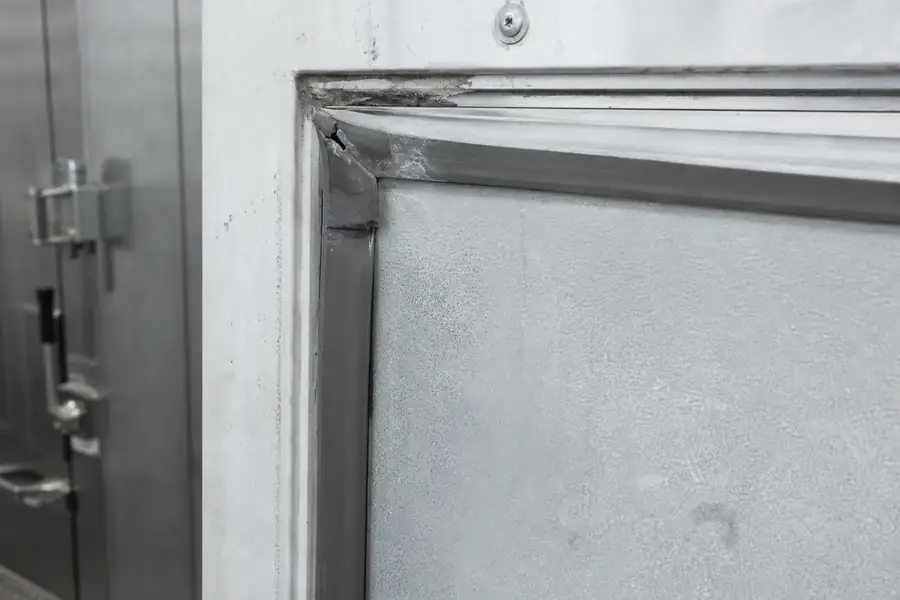
A gap at the top of the door often means the panel has dropped or the frame has shifted.
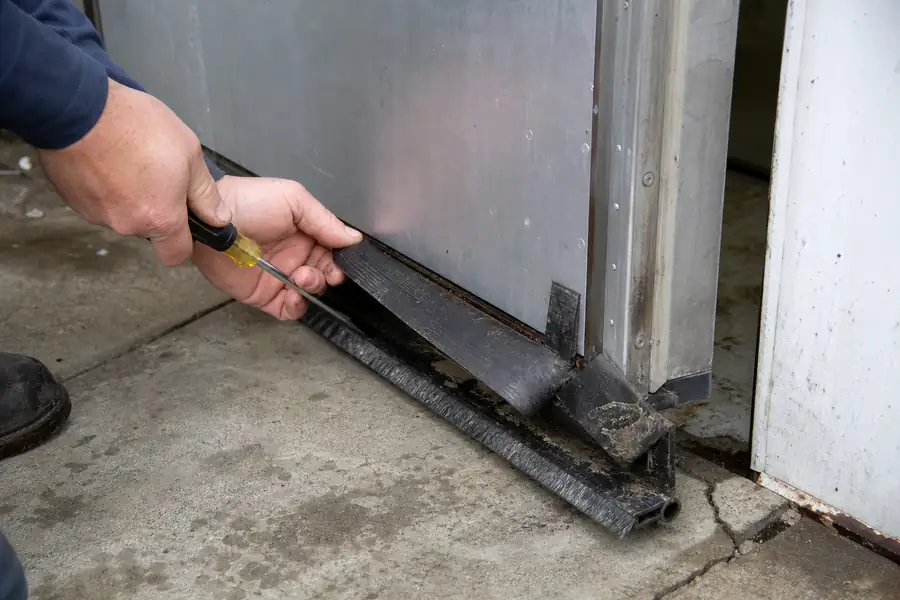
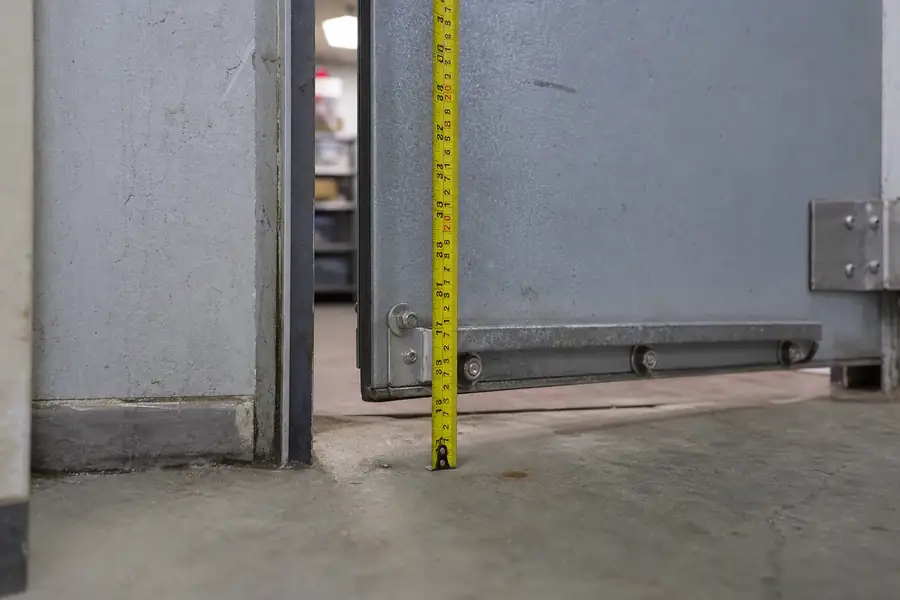
A torn or dragging sweep lets in warm air at floor level even when the rest of the seal is tight.
A Walk-In Cooler Door Is Eight Parts, Not One
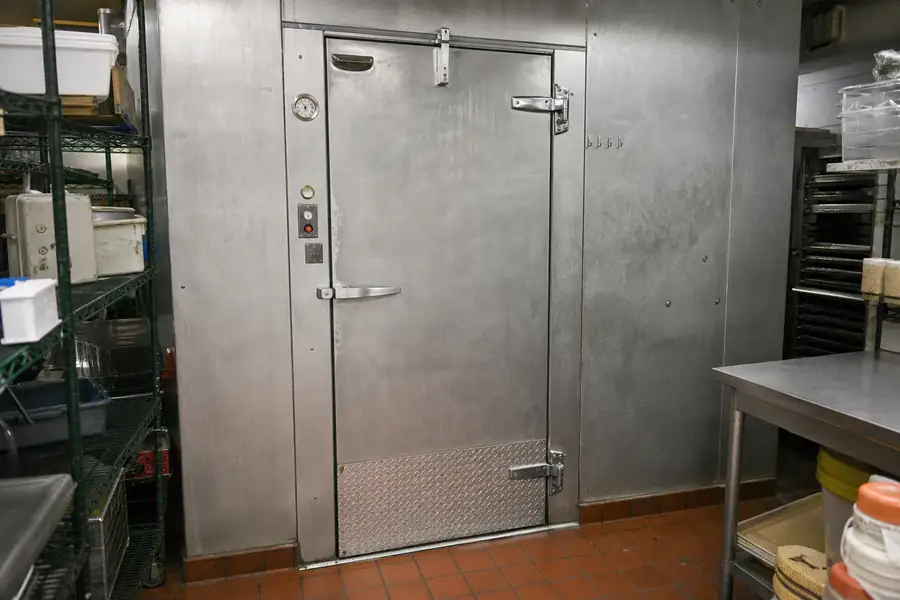
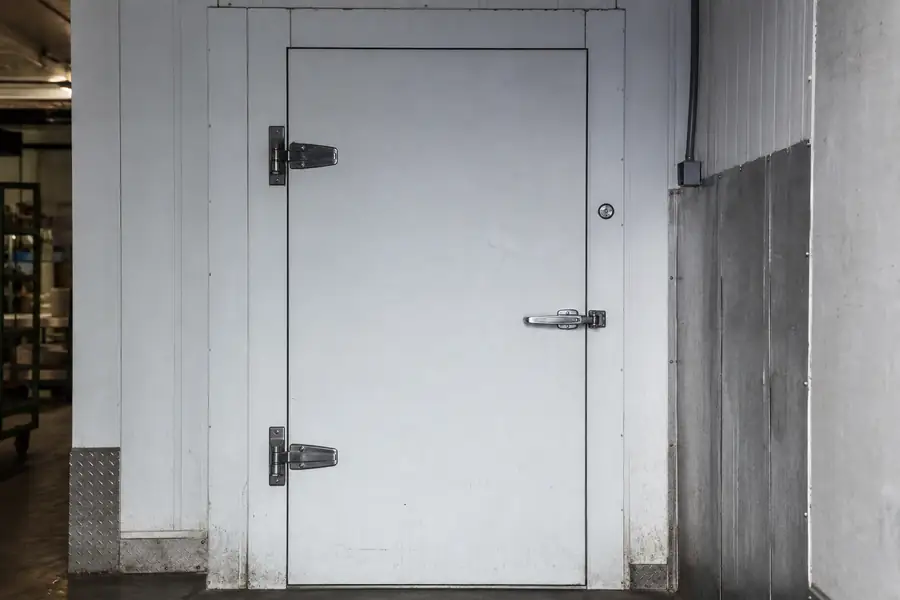
A walk-in cooler door works as one assembly, so a failure in one part shows up as a symptom somewhere else. The eight parts are the panel (the insulated door itself), the gasket (the rubber seal set into the panel), the sweep (the seal strip along the bottom), the threshold (the floor track), the hinges, the closer (the cam-lift mechanism that pulls the door shut against the gasket), the latch, and on some units a heated frame that keeps the gasket from freezing to the jamb. Wear in one part changes how hard the others have to work, which is why a gasket-only repair sometimes doesn't hold: if a hinge has sagged, the new seal gets pinched on one side and starved of pressure on the other.
Need a gasket replaced?
Call us or send your unit's model number. Free quotes across Boulder County, usually same week.
A walk-in cooler door that won't stay shut is almost always a closer or hinge problem, not a gasket problem. The gasket can only seal against pressure the door hardware provides; worn hardware means no seal will hold the door closed on its own.
Closer tension
The cam-lift closer swings the door the last few inches and pulls it snug against the frame. When the cam wears or the spring loses tension, the door stops latching and swings back open on its own, which often gets blamed on the seal instead of the hardware.
Hinge sag and cam-lift
Hinges carry the full weight of an insulated panel door, and years of swinging wear the pin and drop the door slightly on the latch side. A sagging door drags on the threshold and puts uneven pressure on the gasket along one edge. Door hardware repair for hinges and cam-lift closers usually happens at the same visit as gasket work, on brands like Kolpak, Nor-Lake, and Master-Bilt walk-ins, since fixing one without the other rarely lasts.
There's a Gap at the Top of the Door
Panel drop
A gap opening at the top corner of a walk-in cooler door usually means the panel has dropped on its hinges, not that the gasket has shrunk. Insulated panel doors are heavy, and years of use let the hinge side settle, tilting the door and opening a gap opposite the hinges. A grocery walk-in in Longmont showing this kind of gap is more likely to need a hinge adjustment than a new seal.
Frame movement
Building settling or a bumped frame can shift the jamb out of square, opening the same kind of gap even on a door that hasn't sagged. Measuring the gap at several points tells the difference: an even gap points to the gasket, while a gap that widens toward the top or bottom points to the panel or frame.
The Sweep Drags or Has Torn Away
A dragging or torn sweep lets warm, moist air into the cooler at floor level even when the rest of the seal is tight. The sweep is the flexible strip that seals against the threshold, and it takes more abuse than any other part of the door from pallet jacks, mop buckets, and foot traffic. A torn sweep is usually visible without tools: missing rubber, curled edges, or daylight showing through at floor level.
The Seal Looks Fine but You Can Feel Air
A walk-in cooler door seal can look intact and still leak air if it isn't making even contact with the frame under the door's own closing pressure. Rubber gaskets take a compression set over time, meaning they stay pinched in the shape of years of contact and lose the spring-back that presses against the frame. Run a hand along the gasket line with the door shut; a draft with no visible tear is a compression-set seal that needs replacing before it becomes an energy or spoilage problem.
The Latch Will Not Engage Cleanly
A latch that won't catch cleanly usually means the door has shifted enough that the latch and strike no longer line up, not that the latch is broken. This is common alongside hinge sag or frame movement, since both change where the door sits relative to the frame. Forcing a misaligned latch repeatedly accelerates wear on the strike plate and can eventually crack the panel around the mounting screws. A stiff interior safety release is a separate wear point worth checking at the same time, since it lives on the same door and gets neglected during gasket work.
Which Walk-In Cooler Door Problems We Fix in One Visit
The Gasketeers usually address the gasket, sweep, and the hinge or closer behind it in a single visit, since these problems tend to travel together. The process starts when you request a free gasket quote and describe the unit and symptom, moves to an on-site measurement, and finishes with the door sealed and swinging correctly again. A Louisville brewery kitchen facing an inspection deadline usually needs exactly this kind of same-visit fix rather than a full unit swap. Panel damage or full door replacement fall outside gasket and hardware work and get flagged separately rather than patched over.
Frost and Ice: See the Dedicated Diagnosis
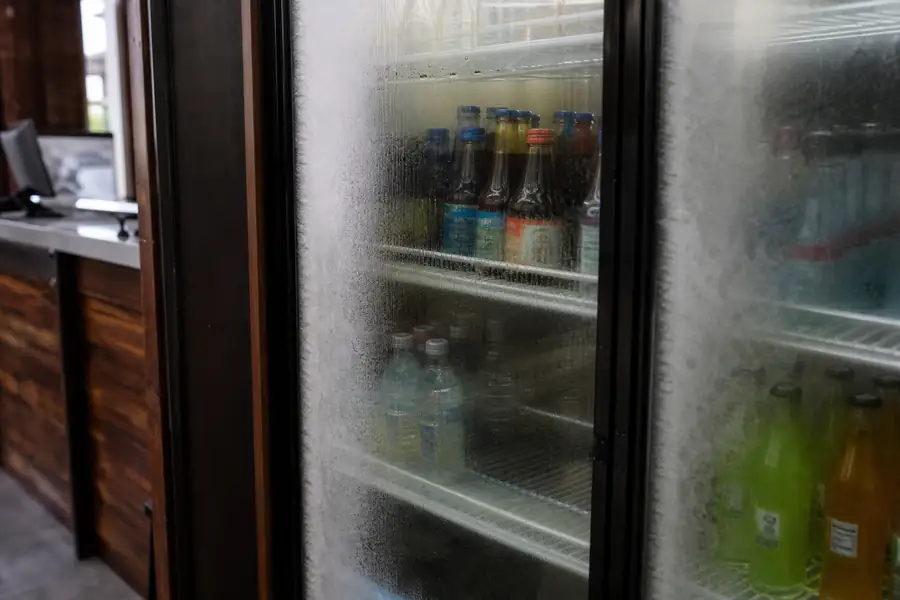
Frost creeping along a threshold or building up on a frame usually starts with one of the door problems above, but frame heaters, defrost cycles, and threshold condensation carry enough detail to deserve their own walkthrough. A Boulder kitchen manager troubleshooting ice buildup should start with the dedicated frost and ice diagnosis, so this guide can stay focused on the door assembly itself.
Frequently asked questions
Why won't my walk-in cooler door close?
Most walk-in cooler doors that won't close have lost closer tension or developed hinge sag, both of which stop the door from pulling shut and holding pressure against the gasket. The seal is rarely the direct cause, though a loose door does accelerate gasket wear once it starts happening. A quick check is whether the door swings freely but stops short of latching, which points to the closer, or drags and binds, which points to the hinges or threshold.
What are the parts of a walk-in cooler door?
A walk-in cooler door is built from eight parts: the insulated panel, the gasket, the door sweep, the threshold, the hinges, the cam-lift closer, the latch, and on some units a heated frame. Each part depends on the others to hold the door square and sealed, so wear in one usually shows up as a symptom somewhere else on the door.
How do you fix a sagging walk-in cooler door?
A sagging walk-in cooler door is fixed by adjusting or replacing the hinges that have worn at the pin, then rechecking gasket contact once the panel is sitting level again. Replacing the gasket alone on a sagging door usually fails within weeks, because the new seal gets uneven pressure from the same misalignment that caused the original wear.
How much does walk-in cooler door repair cost?
Walk-in cooler door repair cost depends on which parts need work: a gasket-only repair is a smaller job than one that also needs hinge, closer, or latch replacement. Because every door's wear pattern is different, the most accurate way to get a number is a free, no-obligation quote based on the actual unit and symptom.