
Quick answer: Two gasket quotes for the same door usually differ because one supplier used outside edge to outside edge measurement and the other used dart to dart gasket measurement. Outside edge to outside edge measures the full outer footprint of the gasket, mounting flange included. Dart to dart measures only the sealing bulb, from the inside edge of one retaining rib (the dart) to the inside edge of the other. On the same door those two numbers can land a half inch to more than an inch apart, and neither one is a mistake by itself.
The problem shows up when a kitchen manager compares quotes side by side and assumes the smaller number means a smaller, wrong-size gasket. Parts Town's published gasket guide walks customers through outside edge to outside edge measuring. True's own OEM documentation for units like the T-49 lists dimensions dart to dart. Both are correct within their own system. Nobody tells you which system you're holding until you already have two conflicting numbers on the counter.
The two numbers, and why they differ
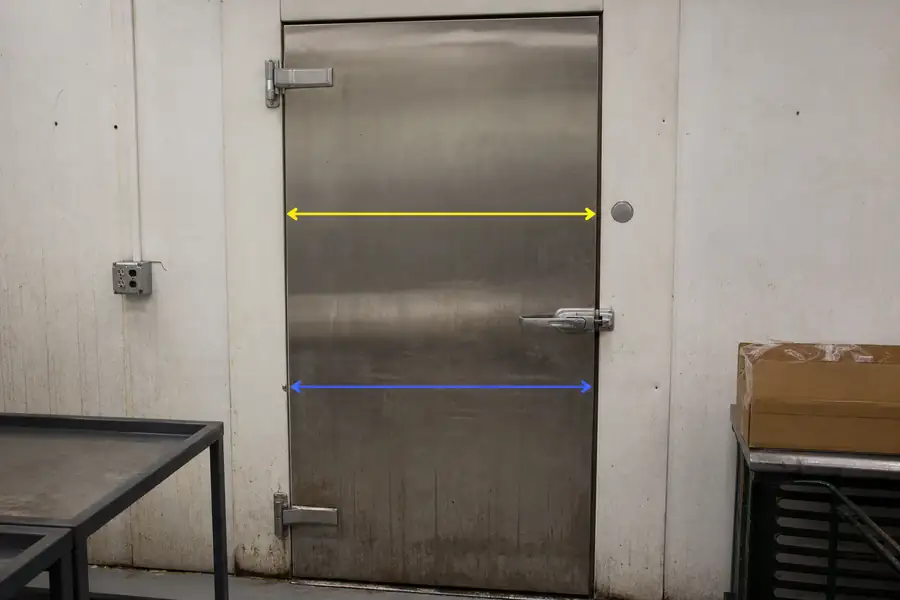
Commercial gasket sizing depends entirely on where the tape measure starts, not on the size of the door itself. Outside edge to outside edge captures everything: the sealing bulb, the mounting fin, and the width the fin adds on both sides. Dart to dart skips the fin entirely and measures only the part of the gasket that actually flexes against the door frame to seal it.
That fin width varies by manufacturer and even by product line, which is why browsing gasket profiles and sizes across a few brands shows outside dimensions that look unrelated to each other even on doors that are the same physical opening. The dart to dart figure strips that variable out.
Outside edge to outside edge
What it measures
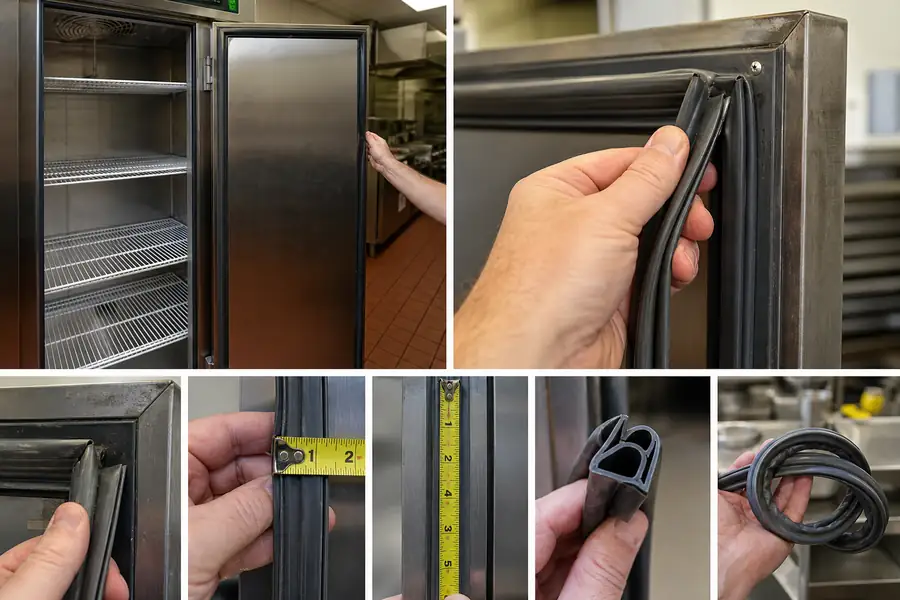
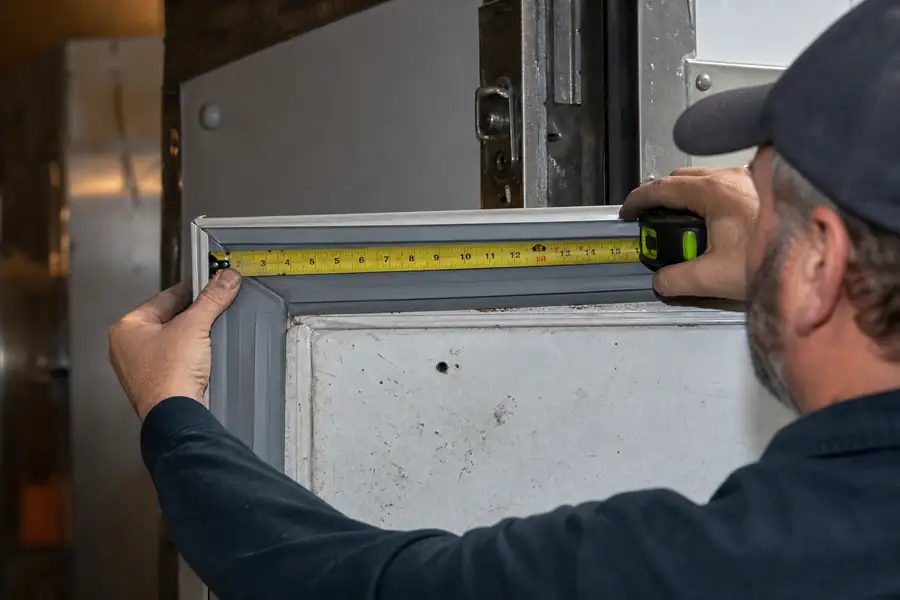
Outside edge to outside edge measurement runs from the farthest point of the gasket on one side to the farthest point on the other, capturing the full width and height including the mounting flange. It describes the total footprint the gasket occupies once it is seated in the door.
Who uses it
General parts distributors and national catalogs, including Parts Town's own gasket sizing guide, default to outside edge to outside edge because it matches how a customer might measure a door opening directly with a tape measure, without removing the old gasket first.
Dart to dart gasket measurement
What the dart actually is
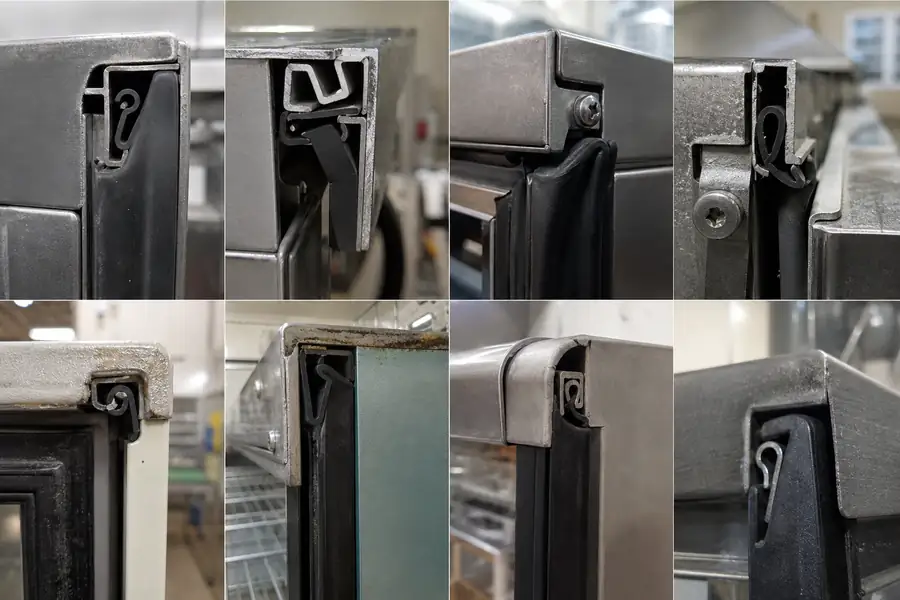
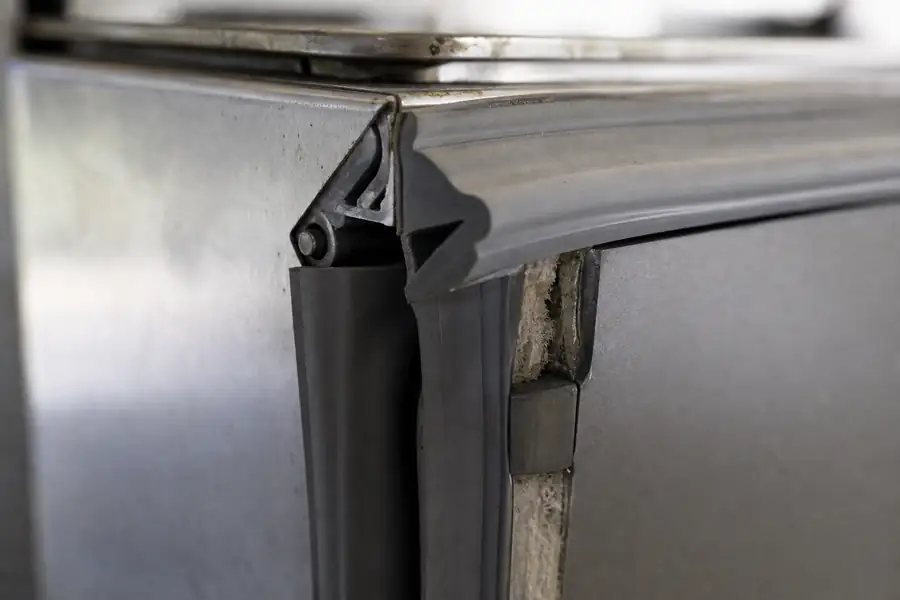
The dart is the small molded rib running the length of a snap-in gasket that locks into the retaining channel machined into the door. Most commercial gaskets have two darts, one on each long edge, and dart to dart gasket measurement is simply the distance between the inside faces of those two ribs.
Why manufacturers publish this instead
Manufacturers like True publish dart to dart dimensions because the mounting channel is part of the door, not the gasket, and channel depth can vary slightly between doors built years apart on the same model. Measuring dart to dart removes the channel from the equation and describes the gasket itself, which is also why it holds up for custom and obsolete unit gaskets where no current spec sheet exists to check against.
The overlap that catches people out
Because the flange adds width on both sides, an outside edge to outside edge number is always larger than the dart to dart number for the same physical gasket, often by close to an inch on each dimension. That gap is predictable enough that two quotes can look wildly different while describing the identical part. The mistake happens when someone splits the difference, assumes an average, or orders based on whichever number sounds more standard, instead of finding out which convention each supplier actually used.
One sentence to ask any supplier before you order
Ask exactly this: is that dimension dart to dart or outside edge? Any supplier who deals in commercial gaskets regularly will answer without hesitation, because the two conventions are built into how their catalog is organized. A supplier who has to stop and ask what you mean is a sign to get the measurement confirmed a second way before you order, not after the part arrives too small or too large for the channel.
Which convention your own paperwork is using
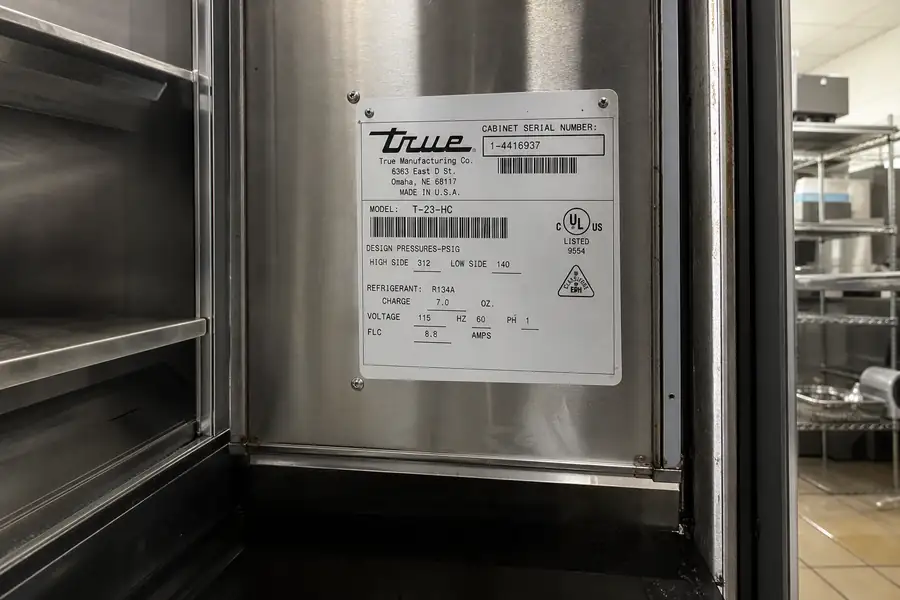
Check the data plate or the OEM parts sheet for your unit first, since most manufacturers stick to one convention across their whole line. True documentation, including the commonly cited T-49 reach-in, lists gasket dimensions dart to dart. Sheets pulled from general parts distributors, printed price lists, or older service tickets are more often outside edge to outside edge. If your paperwork does not say which one it is, keep our dart to dart vs outside edge gasket measurement breakdown on hand the next time you compare quotes.
What we quote in, and why we ask for photos rather than numbers
The Gasketeers sidestep the convention problem by matching the physical gasket profile instead of working from a phone-quoted number in either system. A photo of the door with the old gasket still in place, plus a shot of the data plate, tells us the OEM part number and the profile shape directly, which is more reliable than a measurement that might have been taken either way. That is also how we fabricate a matching gasket for equipment that is discontinued and has no current spec sheet at all.
If you already have two conflicting quotes in hand, or you are not sure whether the number you were given is a dart to dart gasket measurement or an outside edge figure, ask us to identify the gasket from a photo before you order either one. Text a photo of the door and the data plate to (970) 507-8034, or reach out through our contact page, and we will tell you what you actually have.