Dead Part Numbers: Sealing Equipment the Manufacturer Has Abandoned
The manufacturer folded, was bought out, or simply stopped supporting your unit. What a discontinued part number actually means and what your options really are.
Quick answer: A discontinued refrigerator gasket part number means the manufacturer stopped selling that specific catalog number, not that the gasket profile itself disappeared. The Gasketeers fabricate a replacement directly from the old seal or the channel it sits in, so a dead part number rarely means a dead door.
Facility managers hear "discontinued" or "no longer available" from a parts counter and assume the whole unit is on borrowed time. Most of the time that's the wrong conclusion. The gasket is a shape: a strip of vinyl and magnet or foam that fits a specific channel. What's gone is the manufacturer's willingness to keep stocking one catalog number, not the shape itself.
This guide covers what discontinued actually means in refrigeration parts supply, how to check for a superseding number before you give up on it, and why obsolete and discontinued gasket fabrication solves the problem without ever touching a parts catalog.
What a discontinued refrigerator gasket part number usually means
A discontinued part number almost always means the catalog listing was retired, not that the physical gasket became impossible to make. Three things usually explain it, and none of them requires replacing the unit.
Superseded, not gone
A superseded part number is a new catalog number a manufacturer or distributor assigns to the same or a nearly identical part after a system change, a packaging update, or a supplier switch. The counter rep who says "no longer available" is often working from an old number that simply got renamed. Checking for a superseding number before writing off the gasket is worth five minutes.
The brand was acquired
Refrigeration brands change ownership. A manufacturer can get folded into a larger parent company, and when that happens, older part numbers tied to the original brand name sometimes stop appearing in the new owner's system even though the equipment in your kitchen is unaffected. Confirming the current status of any specific brand takes a call to that manufacturer or a dated supplier record, not a guess.
The line was dropped while the equipment lives on
Manufacturers retire product lines on their own schedule, usually tied to sales volume, not to how long the equipment actually lasts in the field. A walk-in cooler or reach-in built fifteen years ago can easily still be running strong after its original parts line has been discontinued. The compressor, the cabinet, and the door can all outlive the catalog number stamped on the data plate.
Need a gasket replaced?
Call us or send your unit's model number. Free quotes across Boulder County, usually same week.
If none of that turns anything up, stop chasing the number. It's no longer the fastest path to a sealed door.
Why none of that matters to a fabricator
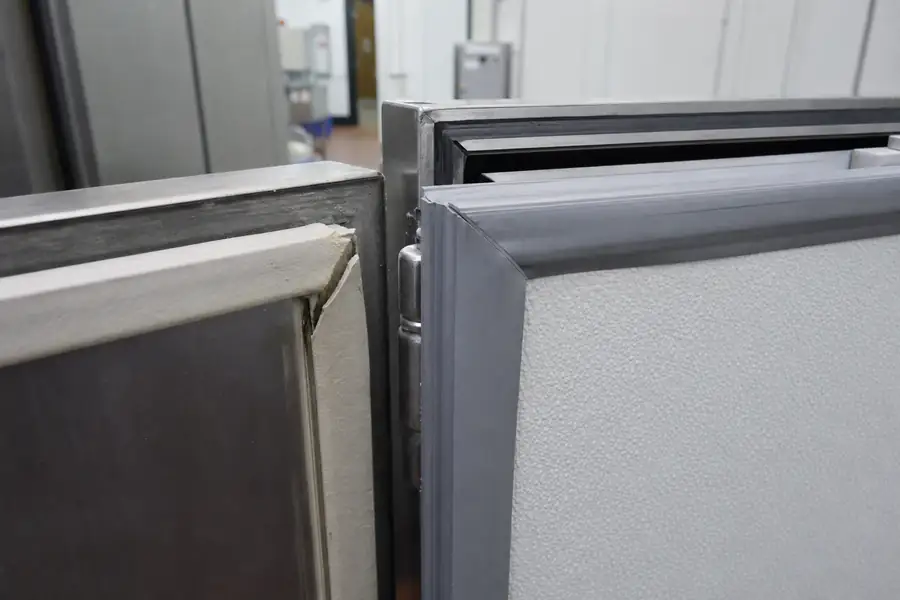
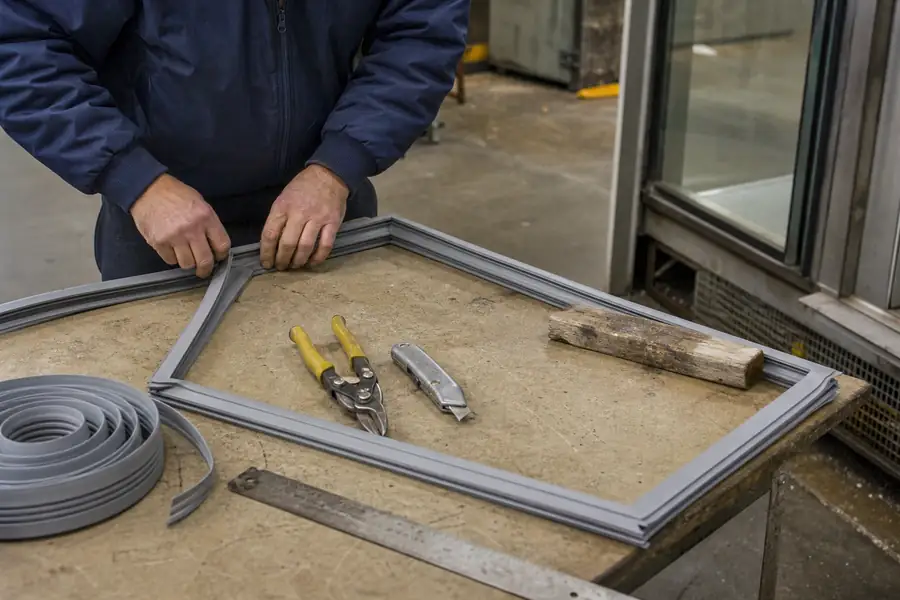
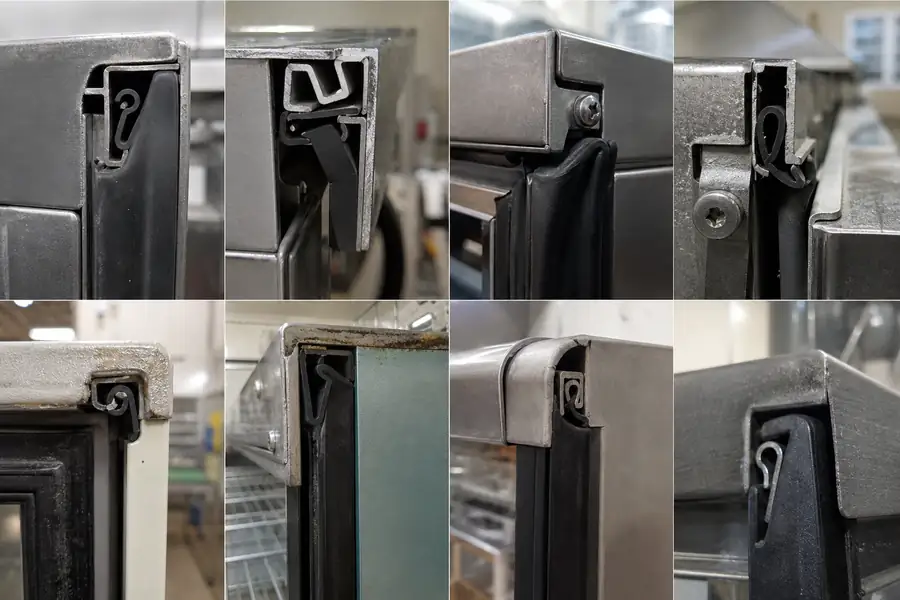
A fabricator doesn't need a catalog number because the gasket itself is the specification. The old seal, even torn, brittle, or missing a corner, shows the profile shape, the magnet or clip style, and the overall dimensions needed to build a new one. The part number was always just a label the manufacturer put on that same information.
This is the core reason a discontinued line doesn't strand the equipment. The door opening hasn't changed. The channel the gasket snaps or screws into hasn't changed. Only the manufacturer's willingness to keep selling that one number has changed, and a shop that measures and cuts to match the original profile sidesteps that entirely.
What we need instead of a part number
Skip the parts hunt and send the physical information instead. A fabricator typically needs:
The old gasket itself, or a largest intact section if it's torn in places
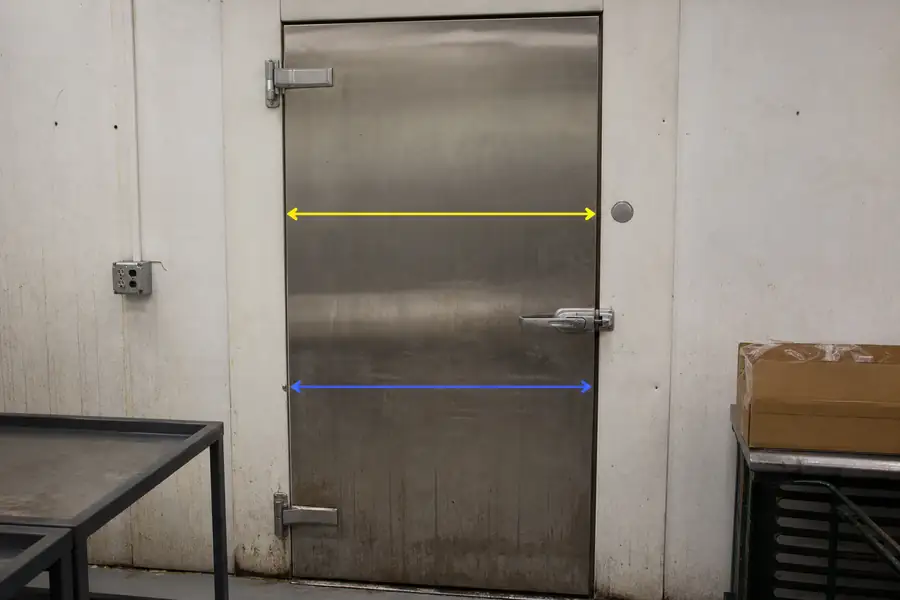
Door height and width, measured at the frame opening
A photo of a corner, since corner miters vary between snap-in and screw-in styles
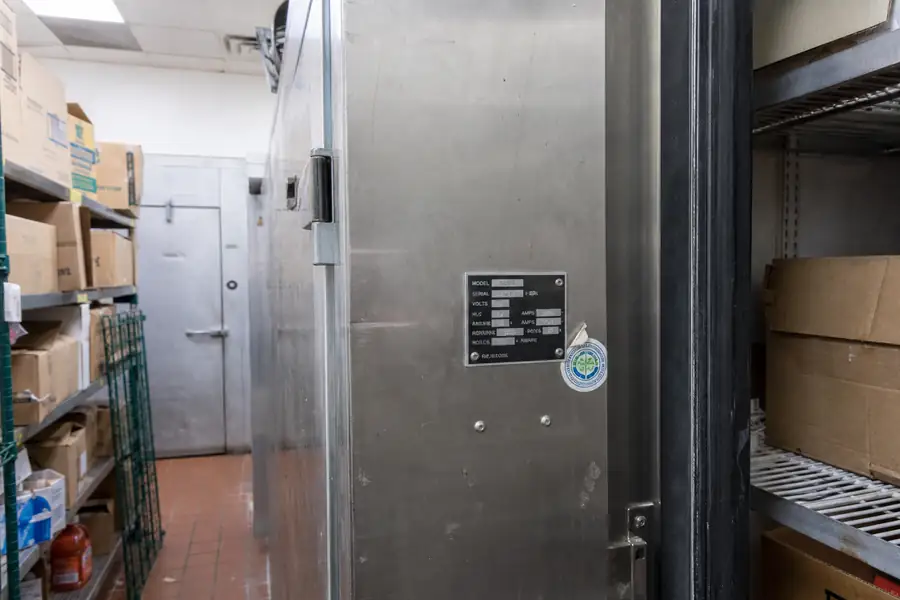
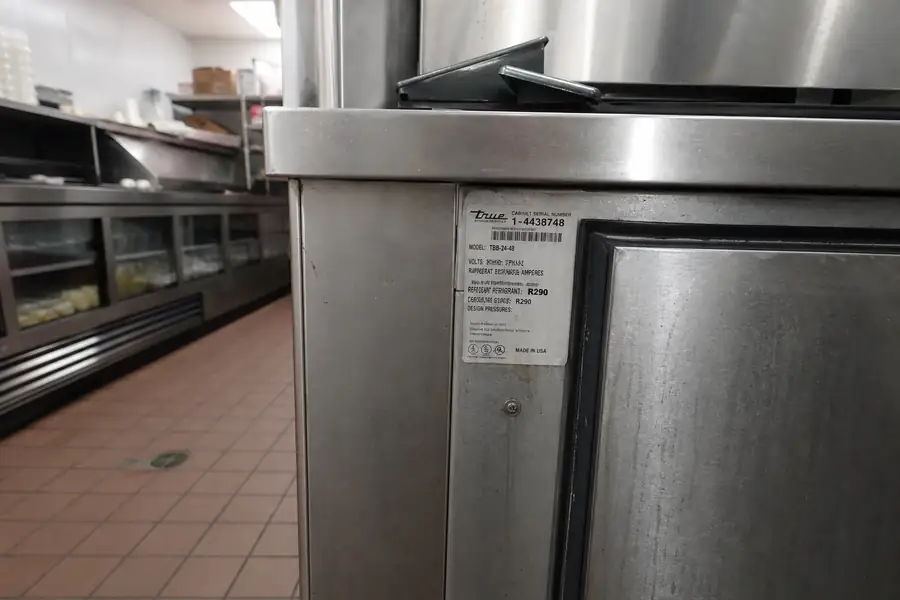
Brand and model if it's still legible on the data plate, which helps but isn't required
None of that depends on the manufacturer still selling the part. It depends on the door still being in front of you.
The units we get asked about most
Older reach-ins, walk-ins, and display cases from lines that have been trimmed back or folded into other brands are the most common calls. Grocery backrooms and school kitchens around Boulder County are still running units built well before the current owner took over the equipment line, and the doors on those units seal exactly as well as any current model once the gasket is right. A unit's age or brand history doesn't change what a replacement seal needs to do: sit flush, hold magnet contact, and keep the door square.
What genuinely cannot be sealed
A gasket fix won't help if the problem isn't the gasket. A cracked door panel, a warped frame that no longer holds a square opening, or a door that's been bent in a collision are structural problems a new seal can't correct. Likewise, a gasket that fits perfectly but still lets a door sag or swing open on its own usually points to a worn hinge or a closer that's lost tension, not the seal itself. Those get diagnosed and fixed as door hardware, separate from the gasket, but often at the same visit so the repair actually holds.
Sending us a dead part number
If a supplier has told you a part number is discontinued, that's the moment to stop chasing paperwork and send photos instead. A clear shot of the data plate and the door opening, plus the old gasket if you can pull it loose, is usually enough for a quote. You can text those photos to (970) 507-8034 or reach out through The Gasketeers' contact page, and the measuring and quoting happens from there.
Frequently asked questions
What do I do if my refrigerator gasket is discontinued?
Check with a second parts distributor for a superseding number first, since "discontinued" sometimes just means the old catalog number was replaced. If no current number exists, send photos of the door, the data plate, and the old gasket to a fabricator so a replacement can be built from the physical seal instead of a part number.
Can you make a gasket for a discontinued model?
Yes, in most cases. A fabricator works from the old gasket's shape, the door measurements, and the corner style rather than from a manufacturer catalog, so a discontinued model number doesn't prevent building a correctly fitting replacement.
What does superseded part number mean?
A superseded part number is a new catalog number a manufacturer or distributor assigns to the same or a near-identical part after a numbering system change, a packaging update, or a change in supplier. It's different from a part that is genuinely discontinued with no replacement number at all.
Who makes gaskets for old commercial refrigerators?
Gasket fabricators that measure and build from the physical door and existing seal can typically make a replacement for older commercial refrigeration equipment, including units from brands that have changed hands or dropped a product line, regardless of whether the original part number still sells.